
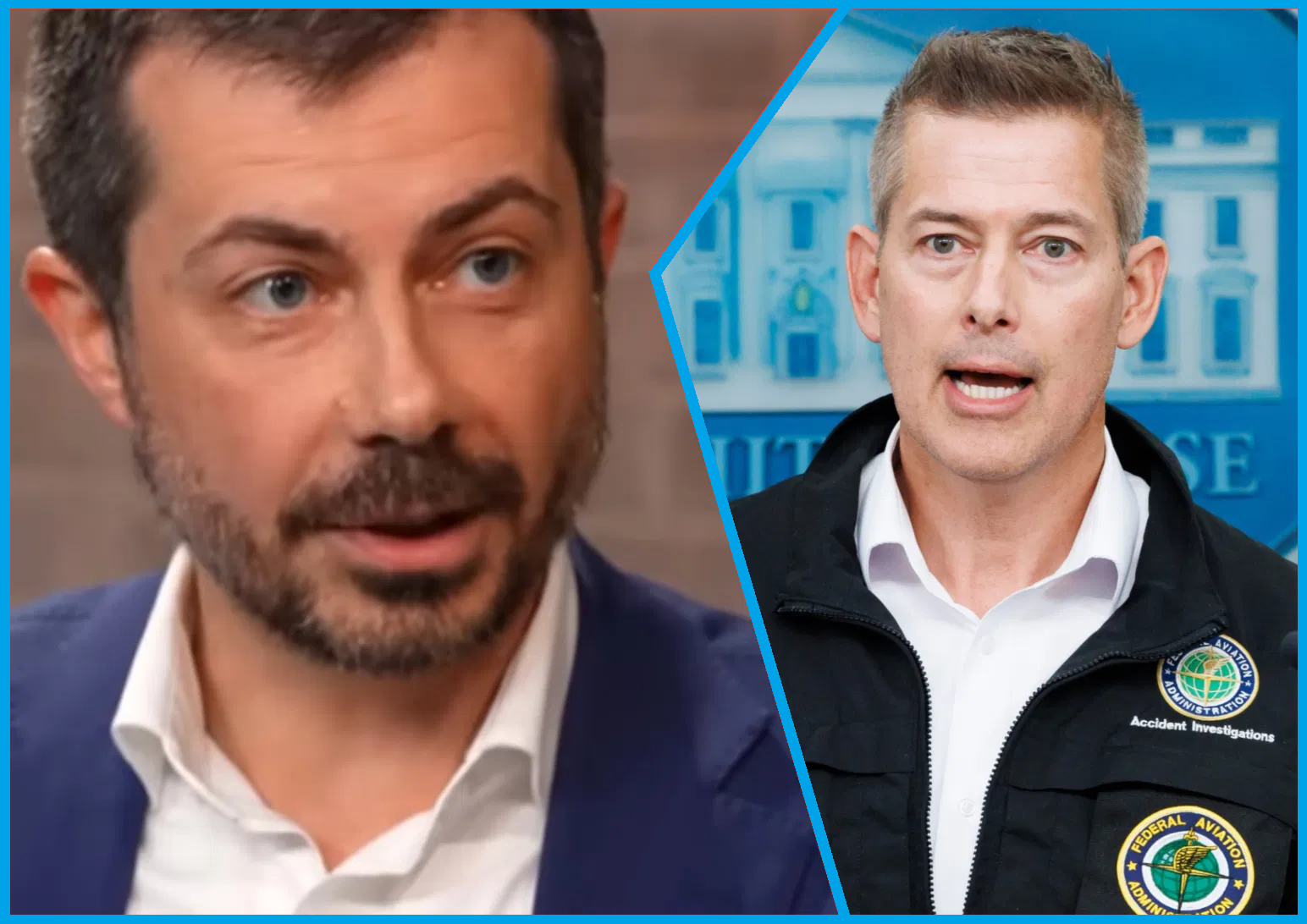
“What exactly is a DEI bike lane?“
That question quickly became one of the most repeated responses online after Transportation Secretary Sean Duffy launched a fresh attack on his predecessor, Pete Buttigieg, while announcing changes to federal transportation funding.
In a social media post, Duffy celebrated redirecting $1.73 billion in transportation grants away from what he called “Biden-era DEI pet projects,” writing that the administration was finished spending money on “DEI bike lanes and climate change” and would instead focus on roads, bridges, and shipping ports.
The message was intended to showcase a policy shift.
Instead, it ignited a debate over infrastructure, political messaging, and whether attaching the label “DEI” to bike lanes actually meant anything.
Remember when Biden and Boot-edge-edge used YOUR MONEY for DEI bike lanes and climate change?
— Secretary Sean Duffy (@SecDuffy) July 7, 2026
THAT’S OVER
I just redirected $1.73 billion in USDOT grants away from Biden-era DEI pet projects
Now this funding is officially locked in to fix America’s actual backbone: ROADS,… pic.twitter.com/J9PuCgTqAv
Pete Buttigieg Wasn’t the One Fighting Back
Although Duffy specifically referenced Buttigieg once again using the longtime conservative pronunciation joke “Boot-edge-edge” the former transportation secretary largely stayed out of the immediate online exchange.
Social media users, however, had plenty to say.
Within minutes, critics began asking Duffy to explain what distinguished a “DEI bike lane” from an ordinary bike lane.
One widely shared response simply asked:
“What the f**k is a DEI bike lane?”
Others argued that protected bicycle infrastructure benefits everyone, regardless of race, gender, political affiliation, or neighborhood.
The phrase itself quickly became the story.
Sean, explain to everyone how a bike lane is “DEI.” Go ahead. Walk us through it. A bike lane is transportation infrastructure. People of every race, sex, religion, and political party use bike lanes. Slapping the letters “DEI” on something doesn’t magically change what it is.…
— Caring Guy💙🇺🇸🌈✌🏻 (@caringguy1957) July 8, 2026
The Policy Behind the Political Attack
Duffy’s comments referred to transportation grants awarded during the Biden administration.
As transportation secretary, Pete Buttigieg oversaw billions of dollars in federal infrastructure investments following passage of the Bipartisan Infrastructure Law.
Those grants funded projects including:
- road improvements
- bridge repairs
- port modernization
- public transit
- pedestrian safety
- protected bicycle lanes
The Biden administration also emphasized that infrastructure investments should address communities historically underserved by previous transportation planning—a concept officials often described as advancing “equity.”
Duffy argued those priorities represented misplaced spending.
Critics Say the Framing Doesn’t Match the Reality
Much of the backlash centered not on Duffy’s decision to reprioritize funding, but on how he described the previous projects.
Transportation advocates argued that bicycle lanes are standard infrastructure designed to improve safety for cyclists and drivers alike.
Several transportation commentators also challenged Duffy’s suggestion that he had personally redirected the funding, noting that the grant program has existed across multiple administrations and that transportation secretaries routinely announce annual awards under established federal programs.
That distinction became another focal point of the criticism.
Pete Buttigieg Still Looms Large Over the Department
Although Buttigieg left office more than a year ago, he continues to feature prominently in Duffy’s public messaging.
Since becoming transportation secretary, Duffy has repeatedly criticized decisions made during the Biden administration, particularly those involving climate initiatives, transit funding, and transportation equity.
For political observers, the latest exchange reinforced a broader pattern:
Buttigieg remains one of the administration’s favorite foils even from outside government.
Why Bike Lanes Have Become Political
Bike lanes may seem like an unlikely cultural flashpoint.
But in recent years they have become symbols in larger debates about:
- urban planning
- climate policy
- government spending
- public transit
- road safety
- environmental priorities
Supporters argue that protected bike lanes reduce crashes, improve mobility, and encourage healthier transportation choices.
Critics often view them as examples of government spending that prioritizes urban planning goals over drivers’ concerns.
Duffy’s post tapped directly into that existing divide.
The Internet Focused on One Phrase
Political messaging often succeeds or fails based on a single memorable line.
In this case, it wasn’t Duffy’s announcement about infrastructure funding that dominated the conversation.
It was two words:
“DEI bike lanes.”
The phrase rapidly spread across X, Threads, Reddit, and Bluesky, generating jokes, memes, and thousands of comments questioning what Duffy actually meant.
For many users, the wording overshadowed the policy itself.
A Reminder That Messaging Can Eclipse Policy
Government officials often hope major funding announcements will generate discussion about roads, bridges, or public investments.
Instead, this announcement became a debate about language.
Whether people agreed with Duffy’s priorities or not, much of the public conversation shifted away from infrastructure spending and toward the rhetoric used to describe it.
In politics, that can happen in an instant.
One phrase captures attention.
Everything else becomes secondary.
And in this case, Sean Duffy’s attempt to criticize Pete Buttigieg ended with much of the internet asking a question he likely never intended to become the headline:
What exactly is a “DEI bike lane”?