
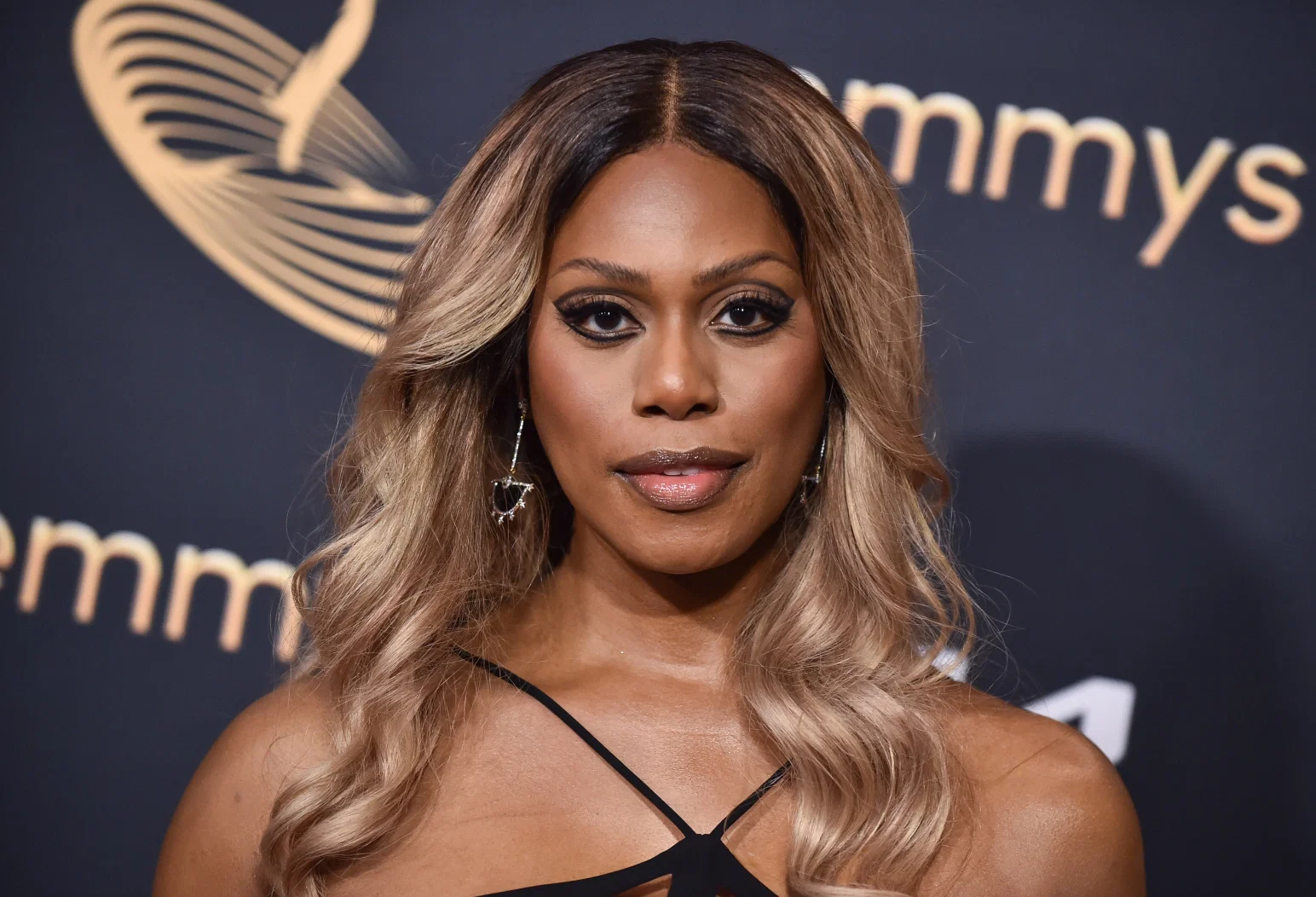
For years, actress and activist Laverne Cox balanced multiple careers at once.
Acting was only part of the equation.
Public speaking, college appearances, corporate events, and brand partnerships became significant parts of her professional life. But according to Cox, those opportunities have dramatically declined in recent years, something she says she never expected to experience.
“I Never Thought College Speaking Gigs Would Dry Up”
Speaking in a recent interview, Cox explained that college and university appearances were once a major part of her career. She described packed auditoriums, standing ovations, and enthusiastic audiences across hundreds of campuses. Those engagements eventually became one of her most reliable sources of income.
Now, she says, many of those invitations have disappeared.
Cox linked the shift to broader political and cultural backlash surrounding transgender issues and diversity initiatives in the United States.
A Bigger Trend Beyond One Celebrity
What makes Cox’s comments noteworthy is that she argues the issue extends beyond her personal situation.
According to her interview, speaking opportunities, brand partnerships, and diversity-focused programming have become significantly harder to secure for many LGBTQ and transgender advocates. She described a noticeable decline beginning after highly publicized political and cultural controversies involving transgender representation.
The result, she says, has been a dramatic reduction in opportunities that once seemed stable.
From “Transgender Tipping Point” to Political Backlash
Cox’s career has long been tied to the broader visibility of transgender people in popular culture.
She became one of the most recognizable transgender public figures in America after her breakout role in Orange Is the New Black and later became the first openly transgender person nominated for a Primetime Emmy acting award.
For much of the 2010s, media outlets frequently described the period as a breakthrough era for transgender visibility.
Cox now argues that political momentum has shifted significantly in the opposite direction.
DEI Rollbacks Are Part of the Conversation
One recurring theme in Cox’s comments is the decline of diversity, equity, and inclusion initiatives.
Many organizations, corporations, and educational institutions have scaled back DEI-related programming in recent years amid political pressure and legal challenges. Cox suggested that those changes have directly affected the demand for speakers and consultants focused on LGBTQ inclusion and transgender issues.
As a result, opportunities that once felt routine have become much less common.
Hollywood Isn’t Immune Either
Cox also expressed concern about developments within the entertainment industry.
According to her interview, she has heard from industry contacts who believe some studios and networks are becoming more hesitant to pursue LGBTQ-focused projects than they were several years ago. She suggested that fear of controversy is influencing certain creative decisions.
While LGBTQ stories certainly continue to be produced, Cox worries that the overall environment has become less welcoming than it once appeared.
She’s Adapting to a New Reality
Despite those challenges, Cox isn’t stepping away from public life.
Instead, she says she has begun focusing on new projects, including writing, teaching, and developing creative work that doesn’t rely on the same institutional support structures that previously sustained parts of her career.
In particular, she has spoken about returning to acting instruction and investing more time in personal creative projects.
Why Her Comments Are Resonating
Part of the reason the story has attracted attention is because Cox occupies a unique position in LGBTQ history.
She is not an emerging activist struggling for visibility.
She is one of the most recognized transgender public figures in the world.
If someone with Cox’s profile is experiencing fewer opportunities, many observers see it as evidence of broader shifts affecting LGBTQ advocacy, public speaking, and representation.
The Conversation Is Bigger Than One Career
Ultimately, Cox’s comments aren’t just about employment.
They’re about visibility, public engagement, and whether institutions remain willing to publicly support conversations around transgender experiences.
Regardless of where people stand politically, her remarks have reignited debate about how changing cultural and political climates influence which voices are invited into classrooms, boardrooms, and media spaces.
Laverne Cox Says the Future Feels Uncertain
Throughout her interview, Cox repeatedly emphasized uncertainty.
She described wanting to remain hopeful while also acknowledging the challenges she sees around her. For someone whose career has often symbolized progress and visibility, that uncertainty may be one of the most striking parts of the story.