
Long before Stonewall became a symbol of LGBTQ resistance, another moment quietly shifted the course of history.
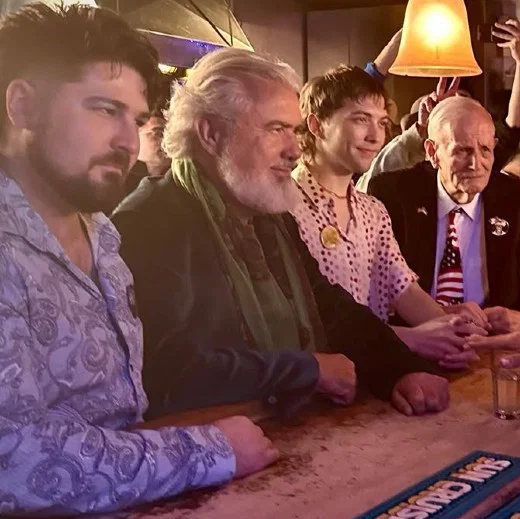
In April 1966, activists walked into Julius’ Bar and did something simple but radical. They announced they were gay and asked to be served.
They were refused.
That refusal became the spark.
The Protest That Changed Gay Bar Culture
At the time, New York law allowed bars to deny service to anyone considered “disorderly,” and gay people were automatically labeled that way.
Members of the Mattachine Society, including Dick Leitsch, challenged that idea head-on. They staged what became known as the Sip-In, a peaceful protest designed to expose discrimination in licensed establishments.
The moment was small, but the impact was not.
Why the Julius Bar Sip-In Mattered
The Sip-In helped push legal change.
After the protest and the attention it generated, courts began to recognize that simply being gay did not make someone disorderly. That shift helped open the door for licensed gay bars to operate without fear of automatic closure.
It laid groundwork that would later support larger movements.
Before Stonewall, There Was Julius
The Sip-In happened three years before the Stonewall Inn uprising, which is often seen as the turning point of modern LGBTQ rights.
But without earlier acts like this one, the conditions for that moment might not have existed.
Julius became one of the first places where resistance and community came together in a visible way.
60 Years Later, the Legacy Still Holds
Today, Julius’ Bar is still open, often described as the oldest continuously operating gay bar in New York City.
It has been officially recognized as a historic site and remains a gathering place that connects past and present.
Marking 60 years since the Sip-In is not just about remembering history. It is about recognizing how far things have come and how those early moments still shape LGBTQ spaces today.
Why This Story Still Matters
It would be easy to overlook a protest that did not involve crowds or confrontation.
But the Sip-In shows how change sometimes starts with something quieter. A refusal. A challenge. A moment that forces people to look at the rules they take for granted.
That kind of action still resonates.
A Legacy Built on Showing Up
The people who walked into that bar in 1966 were not trying to create a viral moment.
They were simply insisting on being treated the same as anyone else.
Sixty years later, that message still carries weight. And places like Julius continue to remind people where that fight began.