
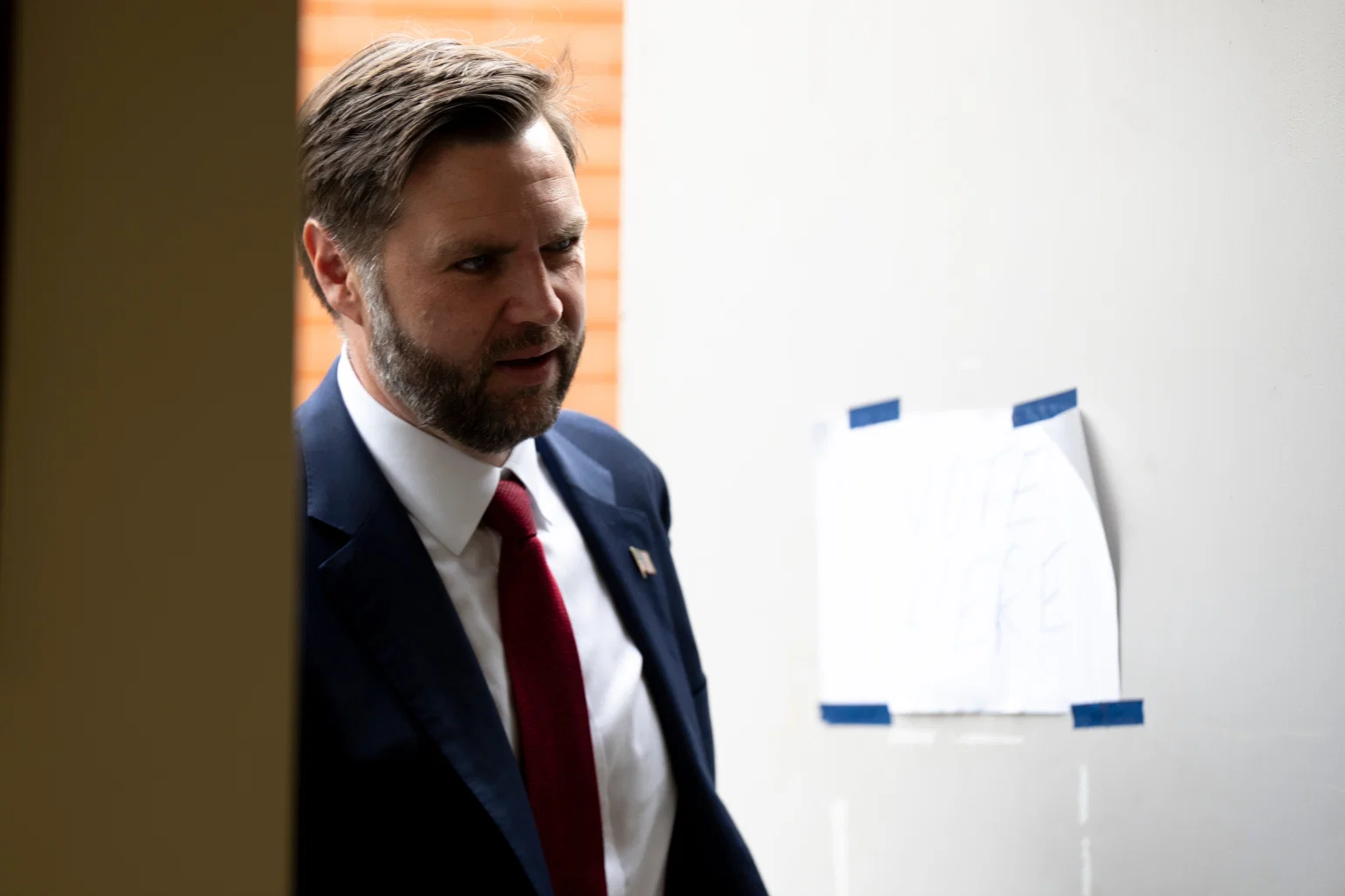
JD Vance is once again getting dragged online, this time over reports connected to a rally in Iowa where attendees were allegedly offered cash incentives to show up.
The controversy erupted after screenshots of a mass text message began circulating online. The message, reportedly sent by a lobbyist tied to Iowa’s ethanol industry, offered college students $100 to attend a JD Vance rally in Des Moines, along with referral bonuses for recruiting additional attendees.
And yes, the internet immediately turned it into meme fuel.
@philipdefranco JD Vance Sets Up Showdown With California After Withholding $1.3 Billion #USA #America ♬ original sound – Philip DeFranco
The Text Message That Started Everything
According to reports, the text invited students to hear Vice President JD Vance speak while offering financial incentives tied to attendance numbers.
The message allegedly read:
“I will give you $100, and for anyone that you recruit, an additional $25.”
The person behind the outreach, lobbyist Jake Swanson, later denied the payments came directly from ethanol companies and claimed he personally wanted students to attend because of support for biofuel policies.
That explanation did not exactly calm critics.
Social Media Immediately Started Roasting Him
Online reactions were brutal almost instantly.
Users joked that Vance was now “buying views in real life,” while others mocked the idea that a sitting vice president needed paid attendees to fill a rally.
Some critics also pointed out the irony given how often Trump allies have accused progressive protests of being “paid activism.”
The contrast was impossible for social media to ignore.
Why the Story Took Off So Fast
Part of the reason this exploded is because JD Vance has already struggled with public image issues online for months.
From viral memes about his speeches to repeated awkward public moments, internet culture has increasingly framed Vance as an unusually easy political target. Queerty itself recently described him as being stuck in a “forever flop era.”
This newest controversy fit directly into that narrative.
Vance’s Team Denies Involvement
Importantly, there is currently no evidence showing Vance himself coordinated or approved the payment scheme.
Reports indicate his office denied involvement and distanced the vice president from the text campaign entirely.
Still, critics argue the optics remain damaging regardless of who technically organized it.
Because once stories about “paid crowds” start trending online, nuance tends to disappear quickly.
The Internet Loves a Political Pile-On
Modern politics increasingly runs on viral perception rather than formal scandal.
A single awkward clip, leaked message, or embarrassing headline can dominate online conversation for days regardless of whether it materially changes anything politically.
And JD Vance has become unusually vulnerable to those moments.
Especially among younger online audiences who already view him as overly performative or awkward.
Why Rally Crowds Matter So Much Politically
Crowd size has become strangely symbolic in modern American politics.
Large rallies get framed as signs of momentum and enthusiasm, while sparse attendance often gets weaponized as evidence of weakness. That dynamic intensified during the Trump era, where rally optics became central to political branding itself.
Which is exactly why allegations involving paid attendees spread so quickly.
Another Tough Week for Vance
The Iowa rally controversy also arrives during a broader stretch of difficult headlines for the vice president.
Recent online criticism involving speeches, viral clips, and resurfaced personal stories has kept Vance trending for reasons his team probably wishes would disappear.
This latest story simply added another layer.
A Narrative That’s Becoming Hard to Shake
Whether fair or not, internet culture now seems to treat almost every JD Vance headline as an invitation for ridicule.
That doesn’t necessarily translate into real political damage long term. But it does shape public perception, especially among younger audiences constantly exposed to viral political content.
And right now, the JD Vance Iowa rally controversy is feeding directly into that cycle.