
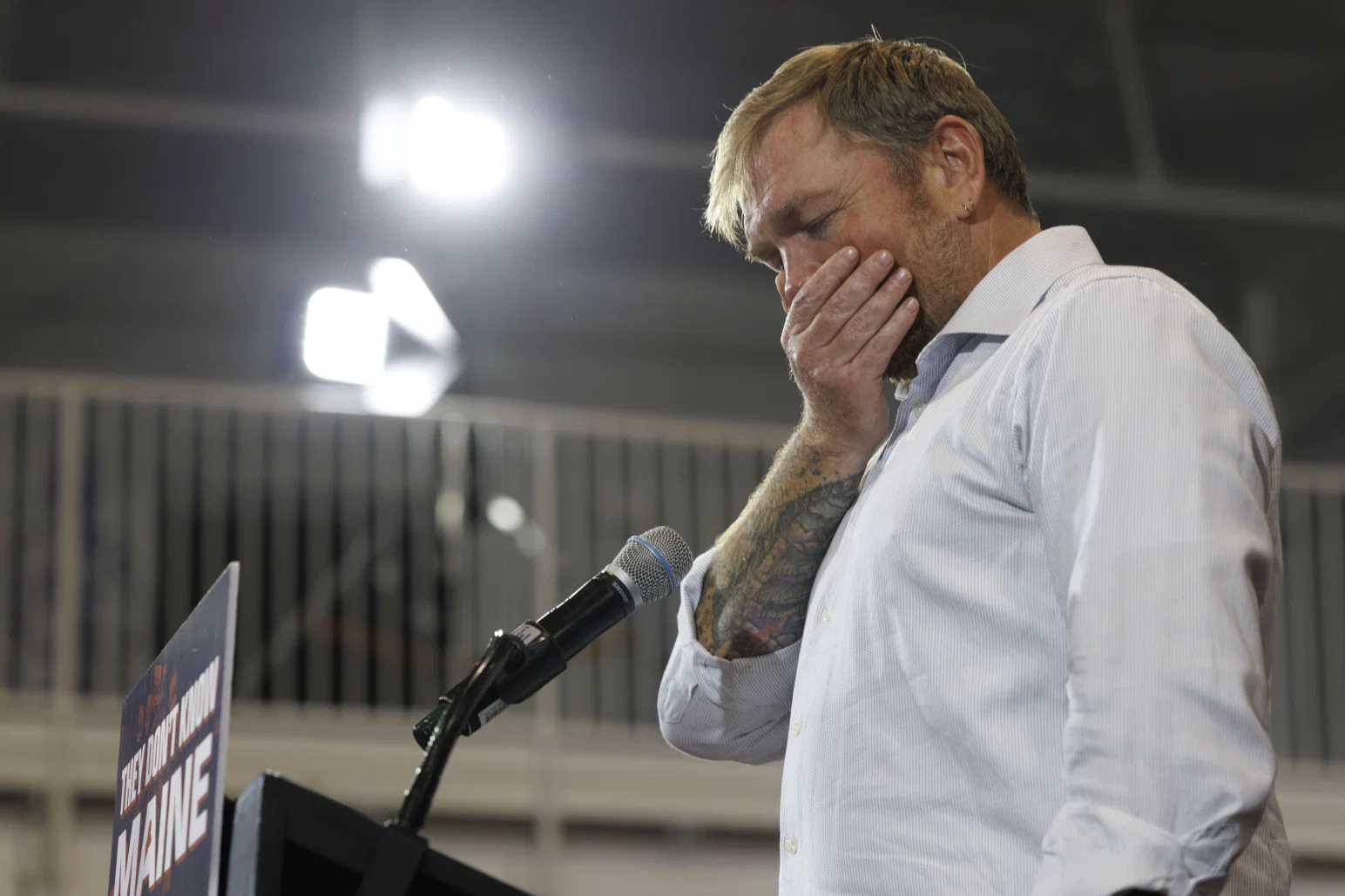
When Graham Platner launched his campaign for the U.S. Senate in Maine, many progressives saw something rare.
He was a Marine veteran.
An oyster farmer.
A populist outsider who promised to challenge entrenched political power.
Within months, he had become one of the Democratic Party’s fastest-rising stars, attracting endorsements, national attention, and millions of dollars in grassroots donations.
But while much of the political world celebrated his momentum, some LGBTQ+ voters and progressive activists were asking a different question:
Why were so many warning signs being brushed aside?
Now, after Platner suspended his campaign following a sexual assault allegation which he has strongly denied many of those early critics say the outcome was tragically predictable.
@underthedesknews #maine #explained #government ♬ original sound – UnderTheDeskNews
The Final Allegation Wasn’t the First Controversy
The accusation that ultimately ended Platner’s campaign did not emerge in isolation.
Long before the latest allegation, the candidate had already faced scrutiny over a series of controversies that repeatedly resurfaced throughout the campaign.
Among them were:
- allegations of abusive behavior raised by former partners
- offensive historical Reddit posts
- comments minimizing sexual assault
- questions surrounding a tattoo resembling a Nazi Totenkopf symbol, which Platner said he did not understand when he got it and later covered up
Each controversy generated headlines.
Each prompted renewed debate about whether Democratic leaders were holding one of their most promising candidates to the same standards they demanded of others.
@katblaque *pikachu face* #grahamplatner ##katblaque##democrats##fyp##politicstiktok ♬ original sound – Kat Blaque from YouTube
Why Some Queer Voters Say They Were Skeptical Early
For many LGBTQ+ advocates, the concern wasn’t simply about one allegation.
It was about a pattern.
Queer communities have long argued that progressive values should include accountability—not only when political opponents are accused of misconduct, but also when allegations involve candidates who broadly support LGBTQ+ rights.
Platner had publicly defended LGBTQ+ equality and repeatedly pledged to oppose attacks on queer communities. Those positions earned him goodwill among many progressive voters.
But others argued that support for LGBTQ+ rights could not erase broader concerns about character, judgment, or past behavior.
The Political Establishment Was Slow to Move
Even as controversies accumulated, many prominent Democrats continued backing Platner.
Supporters argued that some criticisms were exaggerated, politically motivated, or reflected mistakes from years earlier rather than who he had become.
That changed dramatically after a former partner publicly accused him of sexual assault in 2021.
Platner denied the allegation, calling it “all false,” but the accusation triggered a wave of withdrawals from supporters, endorsements disappeared, and pressure mounted for him to leave the race. Within days, he suspended his campaign.
“I Told You So” Isn’t Always About Celebration
Much of the online reaction from queer communities hasn’t been triumphant.
Instead, many described it as frustrating.
Across social media, LGBTQ+ commentators argued they weren’t happy to see another progressive campaign implode.
They were disappointed that concerns raised months earlier were often dismissed until the political cost became impossible to ignore.
That frustration has become one of the defining conversations surrounding the controversy.
A Bigger Debate About Progressive Politics
The Platner saga has evolved into something larger than one Senate campaign.
It has reignited longstanding questions about:
- how political parties vet candidates
- whether ideological alignment can overshadow personal conduct
- how allegations should be evaluated before elections
- whether movements sometimes ignore uncomfortable warning signs when a candidate appears electorally valuable
Those questions now extend well beyond Maine.
Democrats Are Now Racing to Recover
With Platner out of the race, Maine Democrats are scrambling to nominate a replacement capable of challenging incumbent Republican Senator Susan Collins before election deadlines.
Several potential candidates have already expressed interest, including former congressional candidate Jordan Wood, who could become the state’s first openly gay U.S. senator if nominated and elected.
The abrupt shift has transformed what once looked like one of Democrats’ strongest pickup opportunities into an urgent effort to stabilize the race.
Accountability Can’t Be Selective
The Graham Platner controversy has become a reminder that voters increasingly expect consistency from the politicians and movements they support.
For many LGBTQ+ advocates, that means applying the same standards regardless of party affiliation or policy agreement.
Supporting equality, they argue, is only one part of public leadership.
Character, accountability, and credibility matter too.
Whether Platner’s campaign ultimately serves as a cautionary tale for Democrats nationwide remains to be seen.
But one lesson already seems clear:
Ignoring warning signs rarely makes them disappear.
It usually makes the eventual reckoning far more painful.