
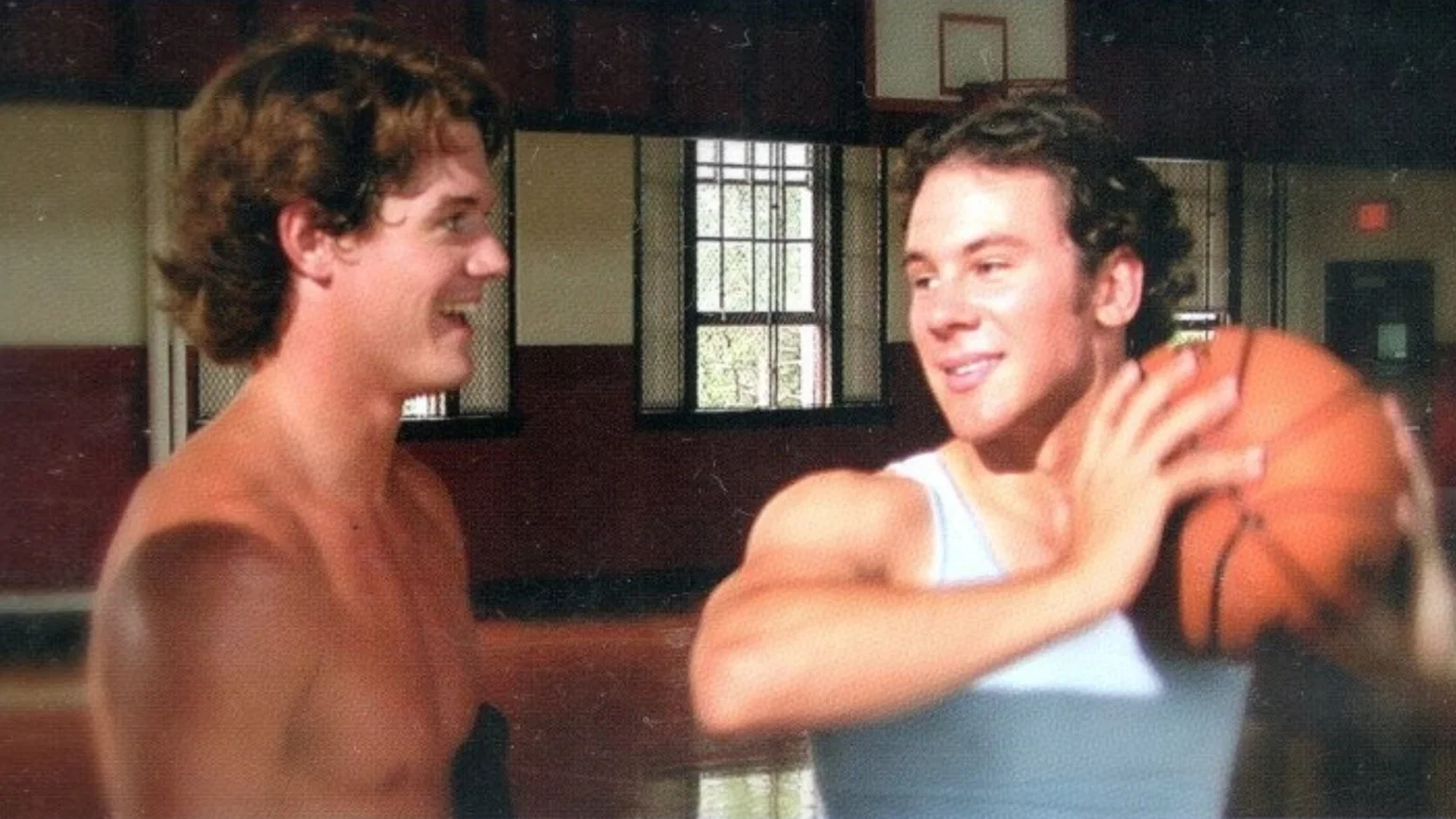
Long before queer sci-fi became trendy again, one gloriously campy little movie quietly did something Hollywood rarely allowed LGBTQ stories to do:
be weird.
Not prestige-drama weird.
Not tragic-indie-film weird.
Actually fun weird.
That’s why people are rediscovering this gay Back to the Future clone nearly 20 years later and realizing it may have been way ahead of its time.
Queer Sci-Fi Used To Be Surprisingly Rare
Today, LGBTQ audiences are finally getting more genre storytelling:
- queer horror
- gay thrillers
- LGBTQ fantasy
- campy supernatural dramas
- dystopian queer sci-fi
But in the early 2000s, that landscape looked completely different.
Most queer films during that era were either:
- coming out stories
- tragic romances
- AIDS dramas
- ultra-low-budget indies about emotional suffering
Fun escapist genre storytelling starring queer characters still felt surprisingly uncommon.
That’s part of why this bizarre little gay time-travel comedy stood out so much.
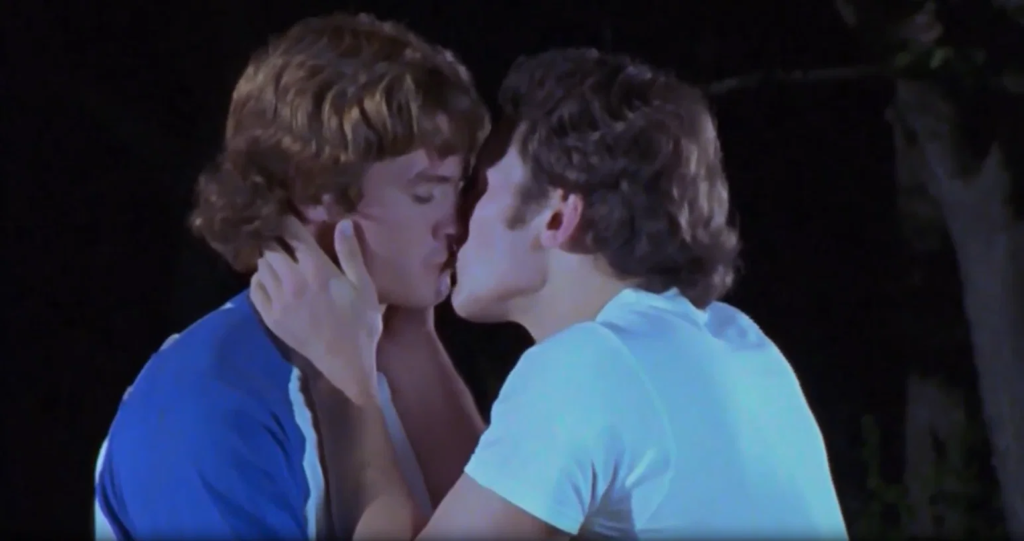
It Borrowed Shamelessly From Back to the Future
The comparisons to Back to the Future weren’t subtle.
There was:
- time travel chaos
- campy science-fiction energy
- awkward romantic confusion
- over-the-top performances
- absurd paradox situations
Basically, it took familiar retro sci-fi formulas and filtered them through a much queerer lens.
And honestly?
That combination still works.
The original Back to the Future franchise remains one of the most beloved sci-fi trilogies ever made thanks to its blend of comedy, heart, and chaotic time-travel mechanics. (screenrant.com) This queer cult favorite clearly understood why audiences connected with that formula in the first place.
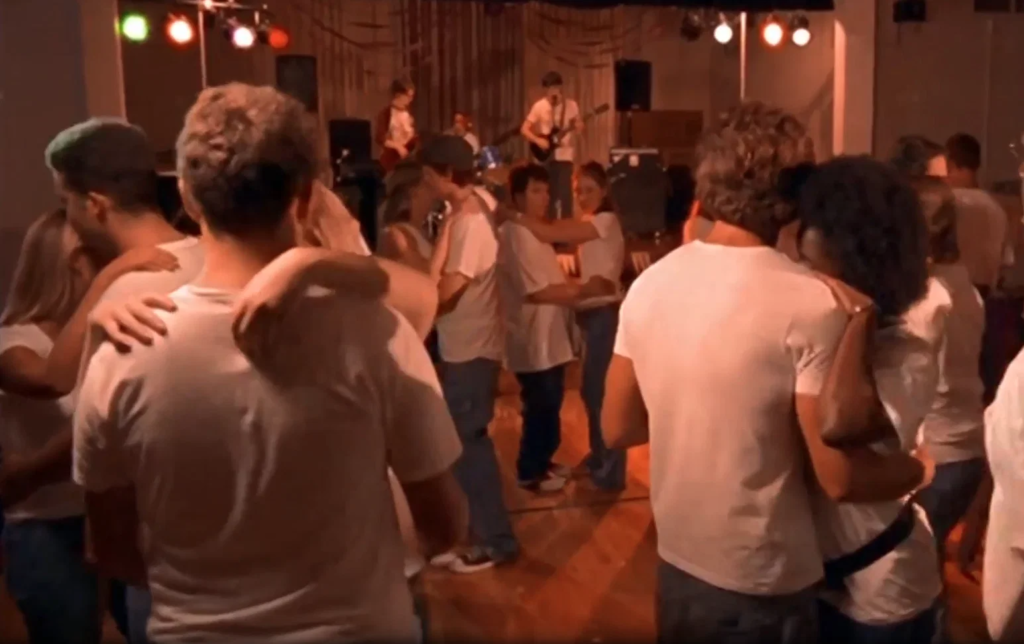
Camp Was Always Part of the Appeal
One thing modern audiences sometimes forget is how important camp used to be within queer entertainment spaces.
Before mainstream representation improved, many LGBTQ films embraced exaggerated humor, melodrama, and over-the-top performances because camp itself became a survival language for queer audiences.
This movie absolutely understood that assignment.
The performances are huge.
The jokes are ridiculous.
The fashion choices occasionally look criminal.
And somehow all of that makes the movie more charming instead of less.
It Treated Queer Characters Like Main Characters
What now feels surprisingly progressive about the film is that it centered queer characters without making queerness itself the “problem” of the story.
Nobody needed a tragic coming-out monologue every 15 minutes.
Nobody existed purely to suffer nobly.
Instead, queer characters got to:
- flirt
- make mistakes
- cause chaos
- travel through time
- be selfish
- be funny
- be messy
Which honestly still feels refreshing even now.
LGBTQ Audiences Crave Genre Stories
Part of why queer audiences continue rediscovering movies like this is because LGBTQ viewers often crave stories outside the usual “important drama” framework.
People want:
- sci-fi
- fantasy
- horror
- absurd comedy
- action
- camp
with queer characters at the center.
Recent projects like queer dystopian thrillers and LGBTQ supernatural films prove that audiences remain hungry for genre storytelling that doesn’t treat queer identity as inherently tragic. (queerty.com)
This movie understood that long before Hollywood fully caught on.
The Humor Still Lands Surprisingly Well
Of course, not every joke aged perfectly.
That’s true for basically every early-2000s comedy.
But much of the film’s humor still works because it comes from character chaos rather than cruelty. The campiness feels self-aware instead of mean-spirited, which helps the movie avoid some of the harsher dated energy other comedies from that era struggle with now.
Honestly, the movie mostly just feels committed to being entertaining above all else.
Younger Fans Are Rediscovering Queer Cult Classics
Social media has played a huge role in bringing forgotten LGBTQ cult movies back into conversation lately.
TikTok, Reddit, and queer film accounts constantly revive:
- chaotic forgotten indies
- camp classics
- niche LGBTQ comedies
- strange sci-fi experiments
Younger audiences seem especially fascinated by older queer media that took big creative swings despite tiny budgets and limited industry support.
And this movie definitely swung hard.
Modern Queer TV Owes Movies Like This Something
It’s easy to imagine a movie like this getting made differently today:
bigger budget, smoother production, more polished effects.
But part of its charm comes from how unapologetically scrappy it feels.
Without weird little cult projects like this experimenting outside mainstream expectations, today’s explosion of queer genre storytelling probably wouldn’t exist in the same way.
Somebody had to test the waters first.
Campy Queer Movies Age Differently
One fascinating thing about camp-heavy LGBTQ films is how differently they age compared to “serious” prestige projects.
Sometimes the low-budget weirdness actually becomes part of the appeal over time. Audiences forgive imperfections because the personality still shines through decades later.
That’s exactly what’s happening here.
The movie may not be flawless, but it absolutely has energy.
And honestly?
Energy matters.
Twenty Years Later, It Still Feels Weirdly Refreshing
At a time when many mainstream films feel increasingly focus-grouped and sanitized, there’s something refreshing about revisiting a queer sci-fi comedy willing to get messy, campy, emotional, and strange all at once.
That chaotic creativity still resonates.
And judging by the renewed attention online, this forgotten gay Back to the Future clone may finally be getting the cult appreciation it deserved all along.