
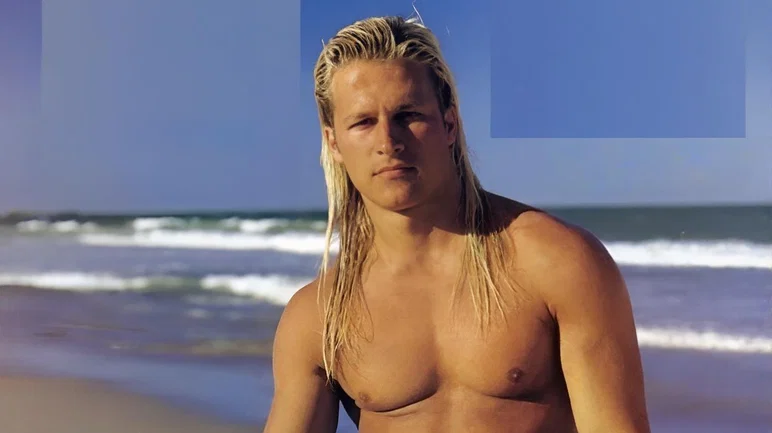
It sounds almost impossible now, but for years Brazil had a wildly successful gay men’s magazine that regularly featured nude soccer stars, actors, musicians, and reality TV celebrities.
And it wasn’t some underground niche publication either.
At its peak, G Magazine sold around 180,000 copies a month, roughly half the circulation of Playboy Brazil.
That made it one of the most commercially successful LGBTQ publications in Latin America.
What Was G Magazine?
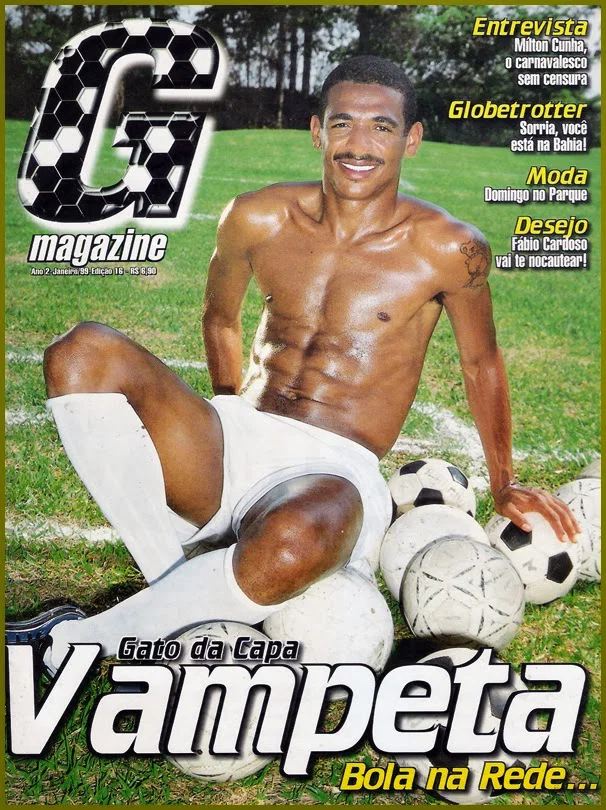
Launched in 1997 by journalist Ana Fadigas, G Magazine focused on male nudity, celebrity interviews, lifestyle coverage, and LGBTQ culture aimed primarily at gay men in Brazil.
What made it different was how mainstream it became.
The magazine didn’t just feature models or adult performers. It regularly convinced major Brazilian celebrities and professional athletes to pose nude, including soccer players from top clubs and even members of Brazil’s national football scene.
That combination of sports culture and gay media created huge attention.
Soccer, Masculinity, and Shock Value
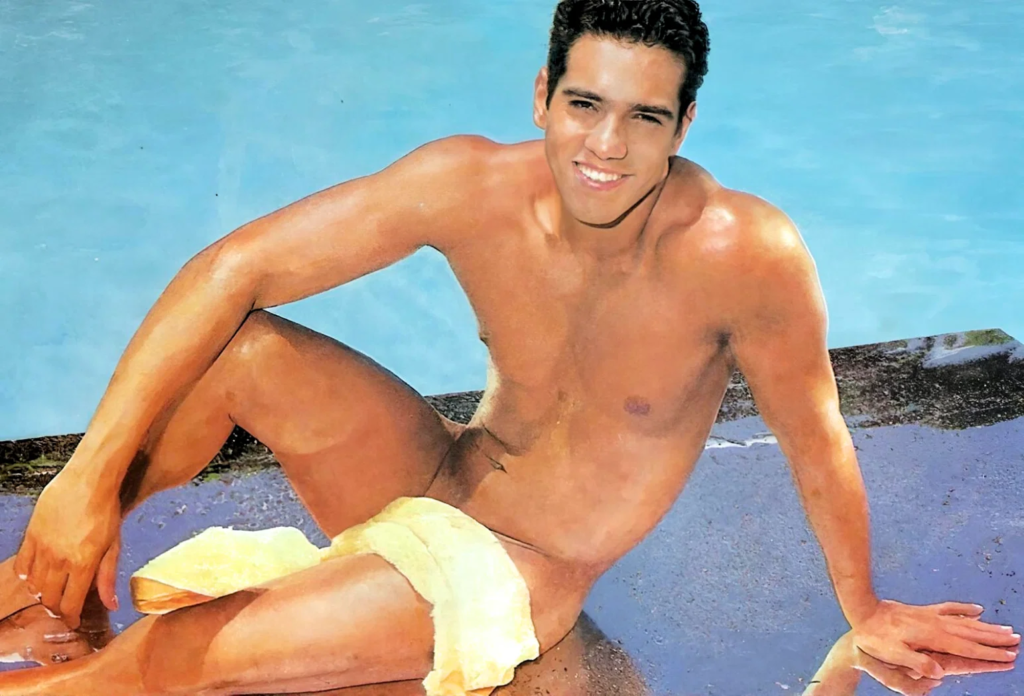
Brazilian soccer culture has long been associated with hypermasculinity, which is exactly why G Magazine caused such a stir.
Seeing professional athletes pose nude for a gay publication challenged expectations in ways that felt genuinely provocative at the time. Some players reportedly faced backlash, while others treated it more casually as modeling work or media exposure.
Former footballer Alexandre Gaúcho, for example, posed fully nude for the magazine in 2005, becoming one of its more talked-about athlete covers.
And according to online discussions revisiting the magazine today, many of the athletes involved were believed to be straight or married, adding even more fascination to the publication’s reputation.

Why G Magazine Became So Popular
Part of the magazine’s success came down to timing.
In the late 1990s and early 2000s, LGBTQ visibility in Brazilian media was expanding rapidly, but there were still very few spaces centered openly around gay male desire and culture.
G Magazine filled that gap directly.
The publication mixed celebrity culture, sexuality, fashion, nightlife, and LGBTQ commentary in a way that felt unapologetically bold for its era.
And unlike many queer publications elsewhere at the time, it reached a surprisingly broad audience.
More Than Just Nude Photos
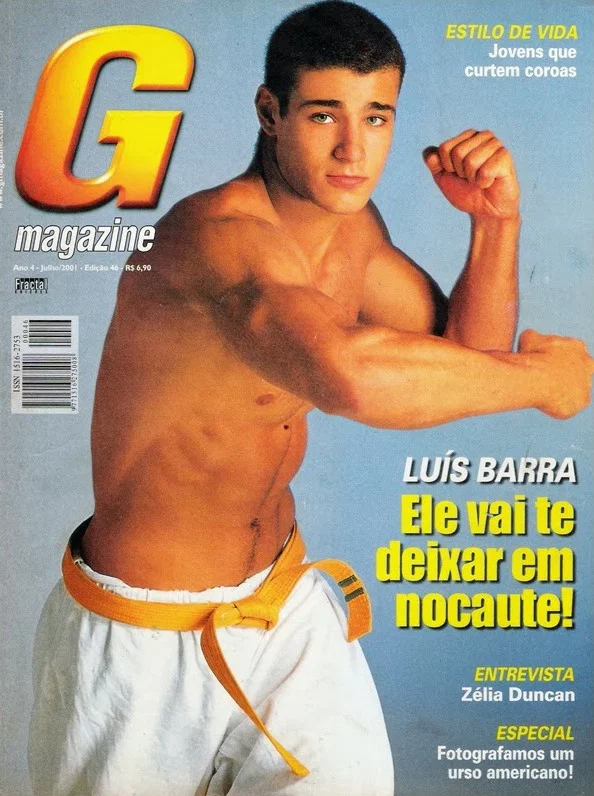
Despite its reputation, G Magazine wasn’t purely about erotic content.
The magazine also featured:
- Interviews
- LGBTQ reporting
- Cultural commentary
- Health and lifestyle coverage
- Discussions around prejudice and visibility
According to Brazilian reporting and archives, the publication actively positioned itself as supportive of LGBTQ rights during a period when mainstream representation was still limited.
That broader editorial identity helped it become more culturally influential than people outside Brazil often realize.
The Magazine’s Decline
Like many print publications, G Magazine eventually struggled as media consumption changed.
Ownership changes and the rise of online adult content contributed to declining circulation, and the magazine officially ceased print operations in 2013.
But its legacy never fully disappeared.
Today, clips, covers, and archived photos continue circulating online, often introducing younger LGBTQ audiences to a part of queer media history they never knew existed.
Why G Magazine Still Fascinates People
Part of the fascination comes from how unlikely it all feels in hindsight.
A massively popular gay magazine featuring nude soccer stars in one of the world’s most sports-obsessed countries sounds almost too surreal to be real.
But G Magazine existed at the exact intersection of celebrity culture, sexuality, sports, and queer visibility. And for years, it thrived there.
In many ways, it captured something rare:
A moment when LGBTQ media felt rebellious, mainstream, chaotic, and culturally unavoidable all at once.