
Long before Hollywood realized LGBTQ stories could win awards, dominate streaming charts, and attract massive audiences, queer filmmakers were already building something revolutionary in San Francisco.
That’s why the Frameline 50th anniversary feels so significant.
What started as a grassroots queer film showcase in 1977 has evolved into the world’s longest-running and largest LGBTQ film festival, helping generations of queer artists tell stories that mainstream media once ignored completely.
And now, five decades later, Frameline is throwing the kind of celebration queer cinema deserves.
Frameline Helped Create Modern Queer Cinema
It’s hard to overstate Frameline’s influence.
For decades, LGBTQ filmmakers often struggled to secure funding, distribution, or even basic visibility. Festivals like Frameline became essential spaces where queer creators could actually find audiences, community, and industry support.
Many filmmakers who later gained mainstream recognition first built momentum through queer festival circuits like Frameline.
That legacy matters even more when you remember how recently openly queer storytelling was considered commercially “risky.”
The Castro Theatre Return Feels Emotional
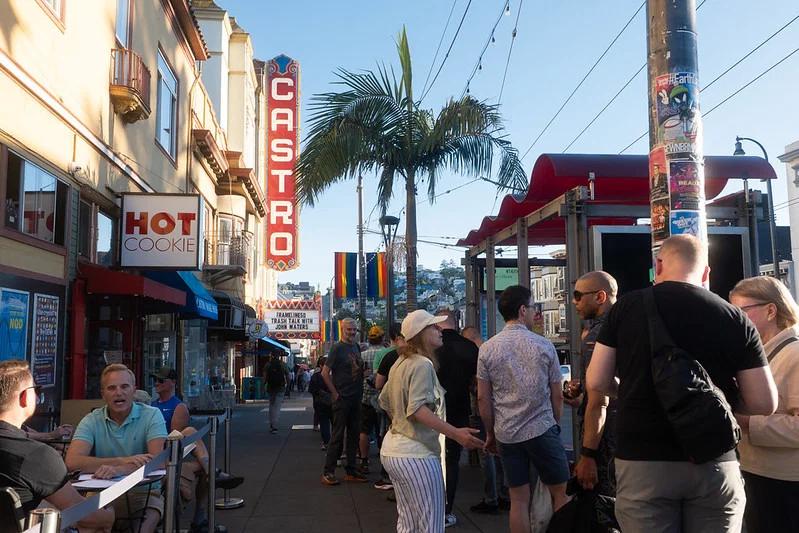
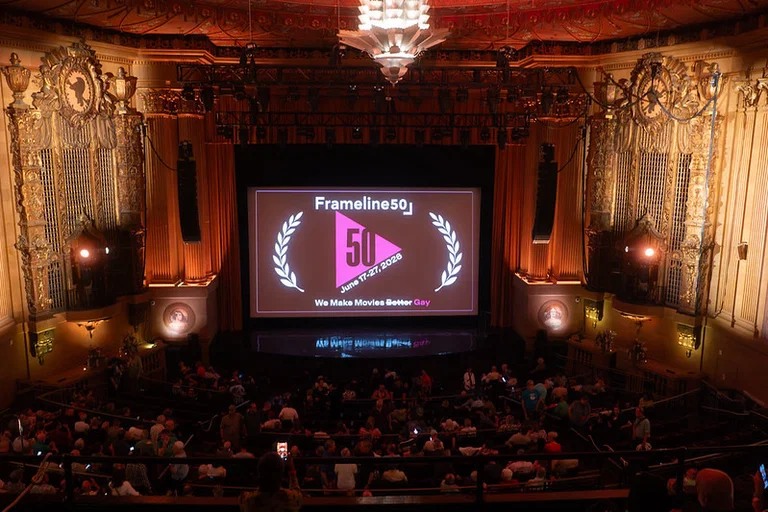
One of the biggest storylines surrounding the Frameline 50th anniversary is the festival’s return to the iconic Castro Theatre.
After years away during the theater’s controversial renovation, Frameline is finally coming back to one of queer San Francisco’s most legendary cultural spaces.
For longtime attendees, the reunion feels symbolic.
The Castro isn’t just a venue. It’s part of queer history itself.
This Year’s Lineup Sounds Wild in the Best Way
The 2026 festival lineup already reflects how expansive queer storytelling has become.
Highlights reportedly include:
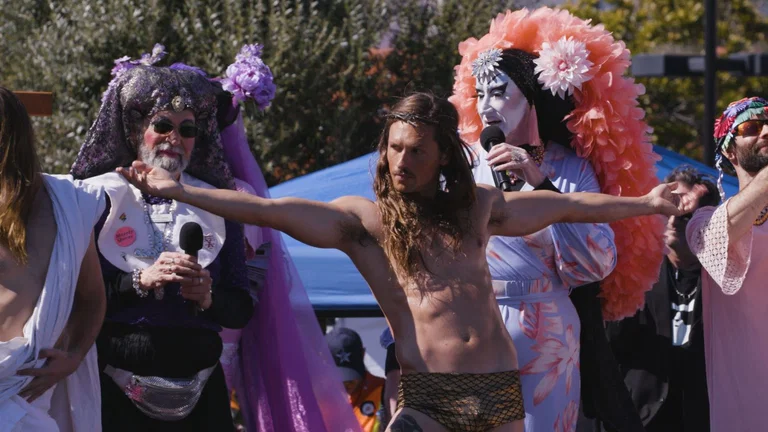
- The U.S. premiere of Hunky Jesus
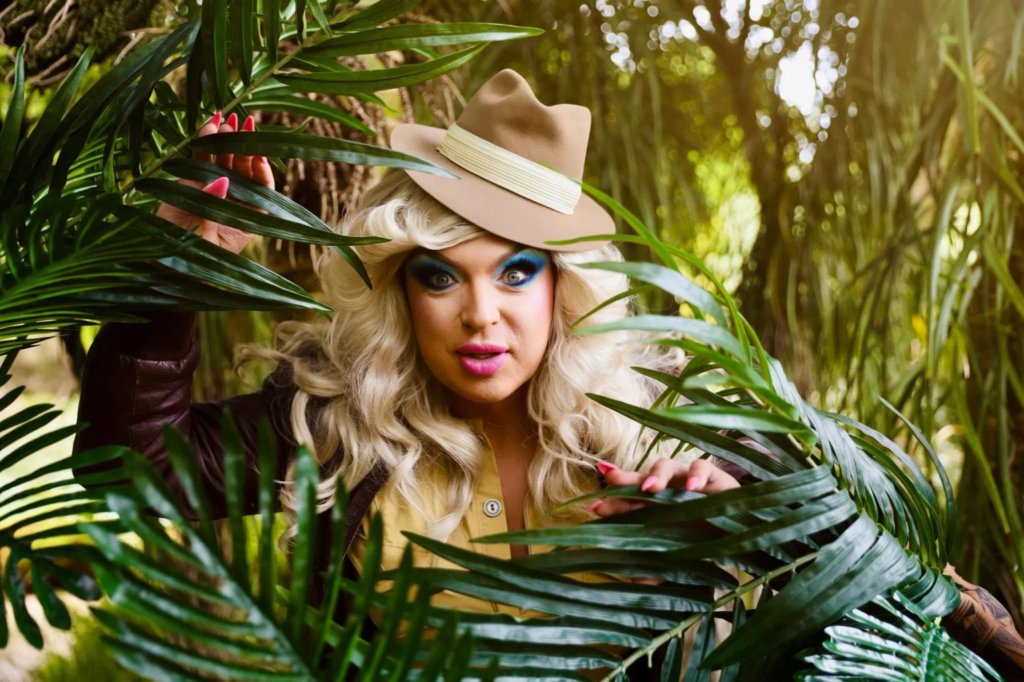
- D’Arcy Drollinger’s Lady Champagne
- Tributes to filmmaker Barbara Hammer
- International queer films from across Asia and Europe
- Experimental trans cinema like Dreamboi
That range says everything about how much queer media has evolved.
Modern LGBTQ storytelling is no longer confined to tragic coming-out dramas or sanitized side characters. Queer filmmakers are now making horror, comedy, fantasy, romance, political satire, erotic thrillers, and deeply weird art films all at once.
And honestly? Good.
Queer San Francisco Still Carries Cultural Weight
The city itself remains central to the festival’s identity.
San Francisco has long functioned as both a literal and symbolic home for queer artistic expression, activism, nightlife, and resistance. Even as rising costs and tech-driven changes reshaped the city, events like Frameline continue preserving parts of that cultural DNA.
That’s part of why the festival’s survival feels meaningful beyond film alone.
It represents continuity.
The Festival Became Bigger Than Movies
Frameline now includes:
- Industry networking events
- Panels and discussions
- Queer filmmaker summits
- Community spaces
- Artist support initiatives
The organization has evolved into a broader LGBTQ cultural institution rather than simply a film festival.
And in an era where LGBTQ rights continue facing political attacks in many places, preserving spaces dedicated to queer storytelling feels more important than ever.
Younger Queer Audiences Are Inheriting a Different World
One fascinating part of Frameline’s 50th anniversary is seeing how younger LGBTQ audiences experience queer media differently than previous generations.
Streaming platforms now offer queer shows globally. Gay characters regularly appear in mainstream television. Trans filmmakers are finally gaining more visibility. Entire genres like BL dramas have exploded internationally.
That visibility would have sounded impossible to many early queer filmmakers.
Festivals like Frameline helped make that shift possible.
Queer Cinema Is Thriving Again
There’s also a renewed energy surrounding queer film right now.
Independent LGBTQ projects continue finding passionate audiences even while mainstream studios become more cautious and algorithm-driven. At the same time, queer creators increasingly bypass traditional gatekeepers entirely through social media, crowdfunding, and international streaming platforms.
The result is a weirdly exciting creative moment.
Messy sometimes. Uneven sometimes. But alive.
Frameline’s Survival Feels Like a Victory
Reaching 50 years is remarkable for any arts institution.
Reaching 50 years as a queer arts institution in America feels almost miraculous.
Especially considering the political backlash, censorship battles, AIDS crisis losses, funding struggles, and cultural hostility LGBTQ communities faced throughout much of that history.
That endurance is part of the celebration too.
A Reminder That Queer Stories Matter
At its core, the Frameline 50th anniversary is really about visibility.
About documenting queer lives honestly.
About preserving culture.
About creating community through storytelling.
About refusing to disappear.
And honestly, there’s something beautiful about the fact that after all these years, thousands of people still gather in San Francisco to watch queer films together in a giant theater.
That kind of magic never really gets old.