
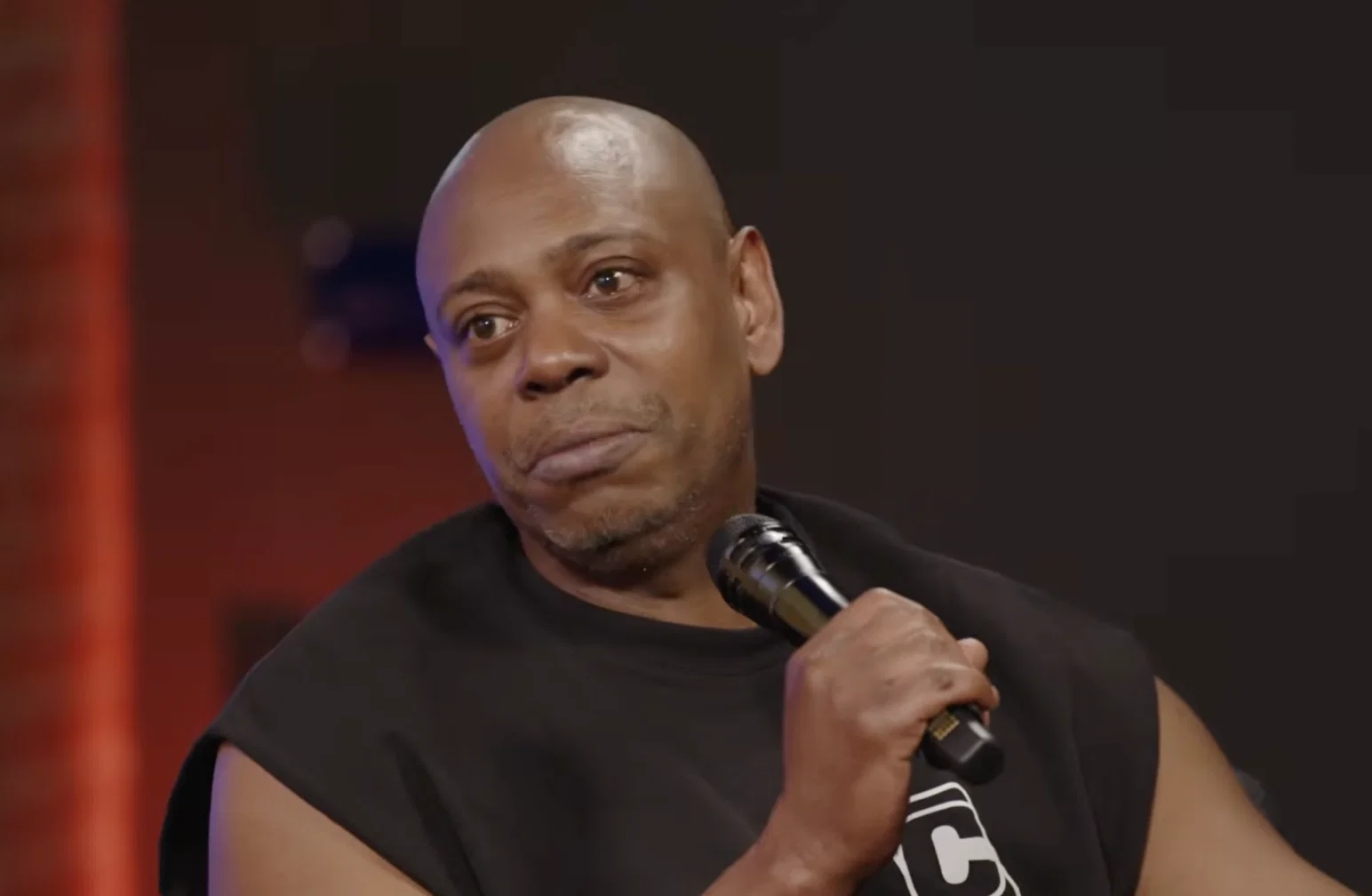
Dave Chappelle is revisiting one of the most controversial chapters of his career.
During a recent podcast appearance, the comedian argued that people misunderstood his jokes about transgender people and the LGBTQ community, insisting he never saw himself as being “against” gay audiences. (them.us)
But the comments have already sparked another round of debate online.
“It Was Never Me vs the Gay Community”
Speaking on the IMO Podcast with Michelle Obama and Craig Robinson, Chappelle said he believes the backlash surrounding his comedy became distorted through media coverage and cultural conflict. (them.us)
“People think it’s me versus the gay community,” Chappelle said, arguing that he viewed the situation more as “culture negotiating itself.”
He also claimed that critics often misunderstood the context of his live performances because many reacting to them were not physically present at his shows.
Why the Controversy Never Fully Went Away
The backlash surrounding Dave Chappelle’s trans jokes largely traces back to his 2021 Netflix special The Closer. In the special, Chappelle made repeated jokes about transgender people and publicly aligned himself with “Team TERF,” referencing trans-exclusionary radical feminism.
The special drew widespread criticism from LGBTQ organizations, Netflix employees, and many comedians, while also sparking protests and internal tensions at Netflix.
At the same time, Chappelle continued receiving industry awards and maintaining strong audience support, creating an unusually divided public reaction.
Chappelle Says Republicans “Weaponized” His Jokes
One part of Chappelle’s recent comments focused on politics.
In previous interviews, he said Republicans turned his comedy into political messaging in ways he never intended, specifically mentioning Colorado Representative Lauren Boebert posting a selfie with him alongside anti-trans commentary.
Chappelle argued that his jokes were being “weaponized” politically, something he claims he never intended.
That distinction, however, has not convinced many critics.
Critics Say Intent Isn’t the Main Issue
One reason the debate continues is because many LGBTQ advocates argue the impact of jokes matters more than the intent behind them.
Organizations including GLAAD and the National Black Justice Coalition previously criticized Chappelle’s material as reinforcing harmful stereotypes and contributing to hostility toward transgender people.
Critics also point out that Chappelle’s material reached millions through Netflix, not just live audiences, making arguments about “context” harder for some people to accept.
Comedy, Free Speech, and Cultural Tension
The larger conversation surrounding Chappelle has become about more than one comedian.
It now sits at the intersection of:
- Comedy and artistic freedom
- LGBTQ representation
- Political weaponization
- Cancel culture debates
That complexity is part of why the topic keeps resurfacing years later.
A Debate That Still Isn’t Settled
Chappelle clearly believes his intentions have been misunderstood.
But many LGBTQ viewers and trans advocates continue to see the jokes themselves as damaging regardless of explanation. That divide has never fully closed, and his newest comments suggest it probably won’t anytime soon.
For better or worse, the Dave Chappelle trans jokes controversy has become larger than the specials themselves.
It’s now part of a broader cultural argument that doesn’t appear to be ending anytime soon.