
Donald Trump spent years building himself into a hero for the online manosphere.
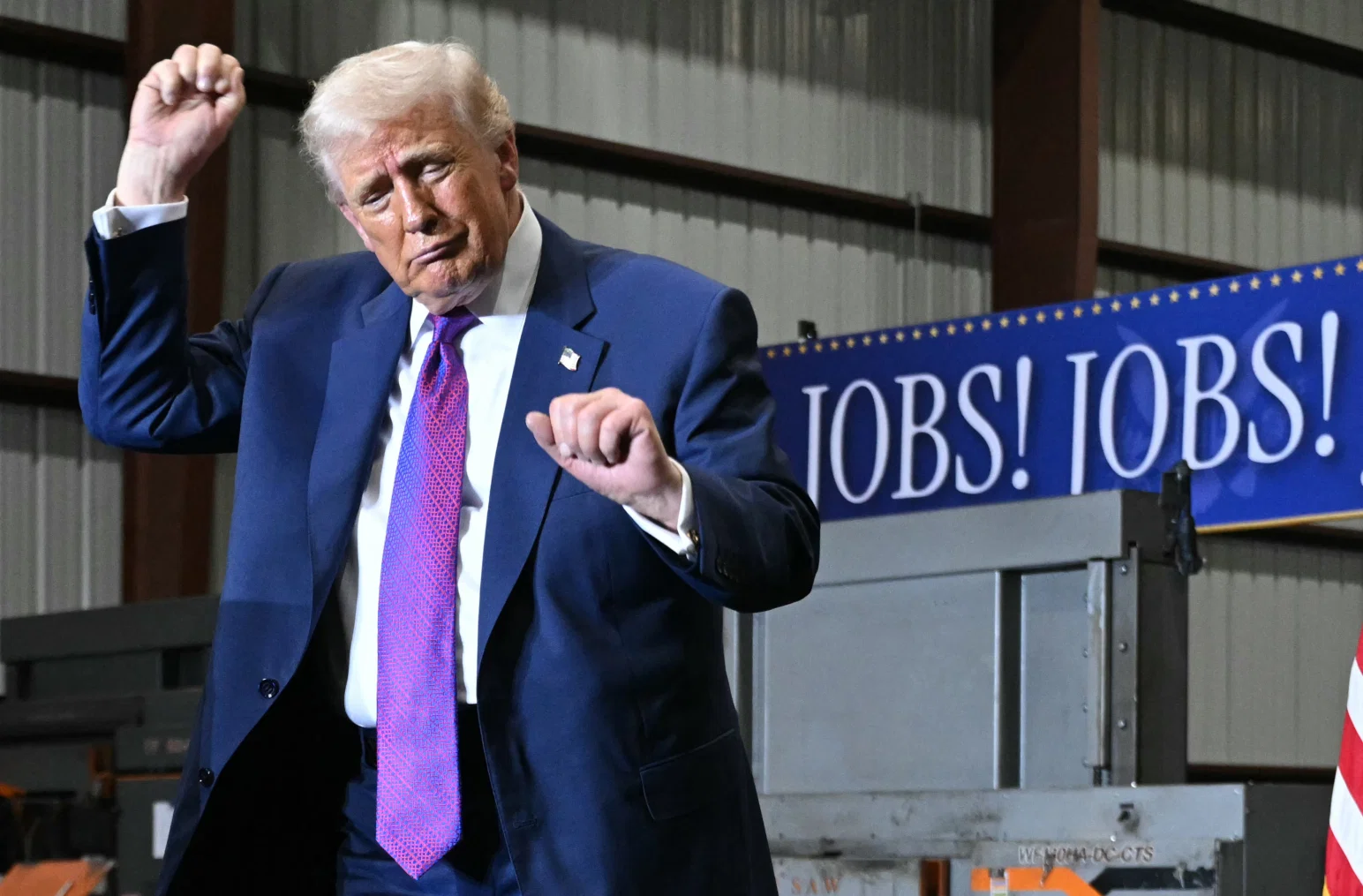
He showed up on bro podcasts. He leaned into UFC culture. He danced awkwardly to “Macho Man” at rallies while influencers and hyper-online masculinity gurus framed him as the answer to young men’s frustrations. (pbs.org )
But now, many of those same young men are looking around at layoffs, shrinking job opportunities, and rising financial anxiety wondering what exactly they got in return.
Because the fantasy being sold online is starting to collide with reality.
Trump Promised a “Bro Economy”
Trump’s 2024 campaign aggressively targeted disaffected young men who felt alienated by rising costs, dating frustrations, internet culture wars, and uncertainty about their futures.
The strategy worked surprisingly well.
Young male voters shifted noticeably toward Trump during the election, fueled partly by influencers connected to the “manosphere” ecosystem online.
The message was simple:
- Manufacturing jobs would return
- Masculinity would be “restored”
- Blue-collar industries would boom again
- Men would regain economic power
But 16 months later, reality looks very different.
Factory Jobs Still Aren’t Coming Back
One of the biggest promises centered around manufacturing.
Trump repeatedly claimed tariffs and aggressive trade policies would revive industrial jobs and create opportunities for struggling young men. But according to recent economic reporting highlighted by Queerty and the Wall Street Journal, manufacturing employment is once again declining.
Industries heavily staffed by men, including transportation and warehousing, have also reportedly slowed significantly.
Meanwhile, many of the fastest-growing sectors remain fields traditionally dominated by women:
- Healthcare
- Social assistance
- Caregiving professions
That mismatch has become politically awkward for a movement built around “alpha male” branding.
The Internet’s Favorite Fantasy Isn’t Paying Bills
A lot of manosphere culture revolves around selling an image of dominance and success.
Luxury lifestyles.
High status.
Financial freedom.
“Winning.”
But internet aesthetics do not automatically create stable employment markets.
And critics argue that Trump’s economic messaging focused more on emotional branding than practical solutions. Queerty bluntly described the entire pitch as “manosphere rhetoric.”
The frustration now spreading among younger men seems tied less to ideology and more to disappointment.
Young Men Are Growing More Frustrated
Polling over the past several months suggests younger male voters have started souring on Trump’s performance, especially economically.
That frustration makes sense when you look at broader realities:
- Housing remains expensive
- Entry-level jobs are unstable
- Automation and AI threaten white-collar careers
- Traditional blue-collar work keeps shrinking
For many young men, the future feels uncertain regardless of who occupies the White House.
The “Learn to Code” Era Is Over Too
One ironic twist in all of this is that even the old economic advice no longer feels secure.
For years, struggling workers were told to “learn to code” as manufacturing declined. But with AI rapidly disrupting parts of the tech industry itself, younger workers increasingly feel like there are no guaranteed stable paths left.
That instability fuels exactly the kind of alienation manosphere influencers capitalize on online.
Trump’s Online Masculinity Strategy Worked Politically
To be fair, the strategy initially succeeded.
Trump’s campaign understood internet masculinity culture better than many traditional politicians. He embraced podcasts, combat sports culture, meme-heavy branding, and grievance-driven messaging that resonated deeply with certain online male audiences.
The problem is that campaigning and governing are very different things.
Selling a vibe is easier than rebuilding an economy.
The Backlash Is Becoming Personal
Part of why this criticism is growing louder is because many young male supporters genuinely believed Trump would materially improve their lives.
Instead, critics argue they received:
- Culture war rhetoric
- Online validation
- Meme politics
- Economic instability
That gap between branding and reality is becoming harder to ignore.
Especially for younger voters who expected tangible improvements.
The Internet Built a Fantasy Around Masculinity
The broader manosphere ecosystem also deserves scrutiny here.
Much of it thrives by convincing insecure young men that masculinity itself is under attack while simultaneously selling expensive courses, supplements, crypto schemes, gambling culture, and hyper-consumerism as “solutions.”
Politics became part of that branding ecosystem too.
Trump simply became its biggest mascot.
A Reality Check for the Bro Vote
None of this means young men will suddenly abandon conservative politics overnight.
But the emotional excitement surrounding Trump’s “bro coalition” clearly appears weaker than it did during the campaign cycle.
Economic anxiety tends to cut through internet fantasy eventually.
And right now, many younger men seem to be realizing that podcast swagger and macho branding don’t necessarily lead to stable jobs, affordable housing, or financial security.
Turns out vibes alone don’t pay rent.