
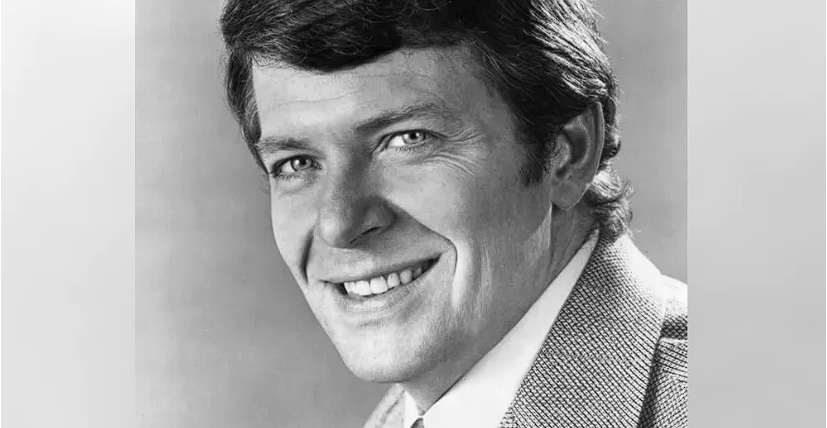
Half a century ago, American television quietly aired one of its most daring storylines. In September 1975, CBS broadcast a two-part episode of Medical Center titled “The Fourth Sex,” featuring Brady Bunch dad Robert Reed playing a doctor who wishes to transition.
It was a bold move for a primetime network drama and for Reed himself years before trans visibility became part of the mainstream conversation.
A Beloved TV Dad With a Hidden Life
To most viewers in the early 1970s, Robert Reed was the quintessential wholesome father as Mike Brady on The Brady Bunch (1969–1974). Off camera, however, Reed lived a far more complicated reality.
He was a closeted gay man at a time when coming out could destroy an actor’s career. Several of his Brady co-stars later said they quietly knew and respected his privacy, but Reed never went public.
When he died in 1992 at age 59, his death certificate listed colorectal cancer as the cause, with HIV as a contributing factor, another reminder of the era’s silence around queer identities.
“The Fourth Sex” Breaks Barriers
After The Brady Bunch ended, Reed pursued more dramatic roles and found one of the most challenging of his career.
In Medical Center, he played Dr. Pat Caddison, a respected physician who confides to series lead Dr. Joe Gannon (Chad Everett) that he has been taking female hormones and intends to undergo gender-affirming surgery. Actress Salome Jens portrayed Caddison’s conflicted wife.
CBS aired the episodes on September 8 and 15, 1975, but not without trepidation. The network prefaced both installments with warnings about “mature” and “sensitive” conten,t an extraordinary step for the time.
For many families, the storyline was their first exposure to the concept of gender transition.
Viewers Remember the Shock and the Impact
Decades later, viewers still recall the cultural jolt.
One Reddit user wrote, “This was quite shocking for its time. My mom wanted to change the channel, but we kept watching. It had sad undertones, but it stuck with me.”
Another remembered the confusion of seeing the famously masculine Mike Brady embody a trans woman:
“Robert Reed was totally Mike Brady in my mind. But that episode made me realize transgender people existed, so I was prepared when I met them later in life.”
A Facebook commenter shared that her mother refused to watch the episode, which only heightened her fascination. “Fifty years later, my trans godson lives in a world with more visibility and acceptance, but it’s disheartening how many of the same battles remain.”
Critical Praise and an Emmy Nod
While some called the episode “controversial,” critics praised Reed’s nuanced performance.
The portrayal earned him a Primetime Emmy nomination, one of three he received in 1976, two for Medical Center and Rich Man, Poor Man, and another in 1977 for Roots.
The recognition proved Reed was far more than a sitcom dad; he was a versatile actor willing to take professional risks for meaningful storytelling.
A Legacy of Quiet Courage
Today, trans representation in film and television remains a work in progress, but Reed’s performance stands as a pivotal early moment.
It predated Don’t Ask, Don’t Tell, Caitlyn Jenner’s coming out, or the groundbreaking roles of actors like Laverne Cox by decades.
Even though The Fourth Sex inevitably shows its age, it opened doors by introducing millions of Americans to a subject rarely discussed in public.
Robert Reed may never have been able to live fully as his authentic self during his lifetime, but with this role, he left an indelible mark.
Half a century later, his portrayal reminds us how television can challenge norms and how quiet acts of bravery can resonate across generations.