
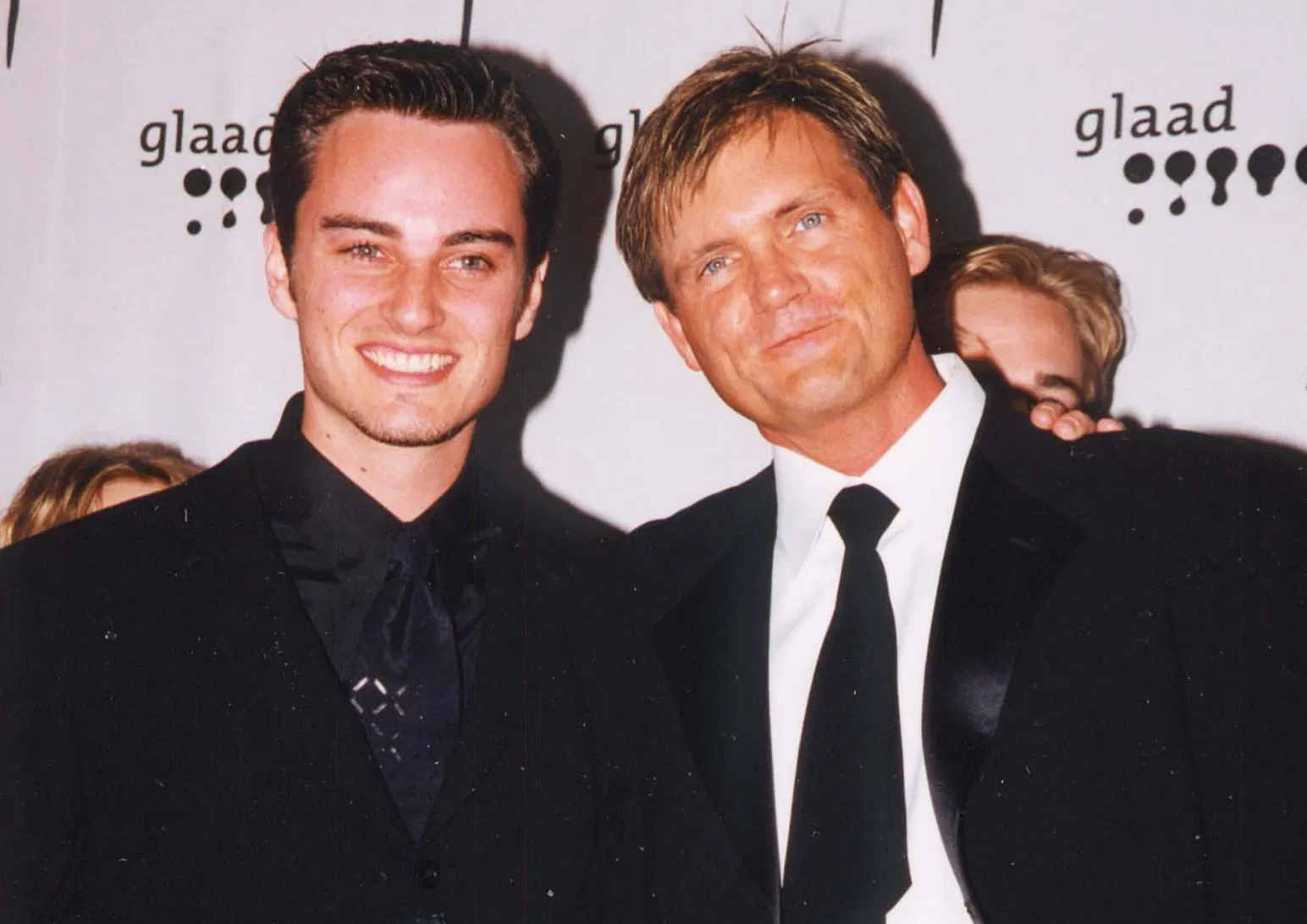
In the late 1990s, television was entering a new era of representation, but few shows took risks as bold as Dawson’s Creek. The teen drama, which aired on The WB, became a cultural touchstone for exploring adolescence, identity, and emotion with unflinching honesty. Among its many storylines, one stands out for its historical significance: the coming-out journey of Jack McPhee, portrayed by Kerr Smith.
Today, as GLAAD releases the 20th edition of its Where We Are on TV report tracking LGBTQ+ visibility across major networks and streaming platforms, Smith’s reflections on that pivotal moment remind us just how groundbreaking the storyline was.
A Turning Point in Television History
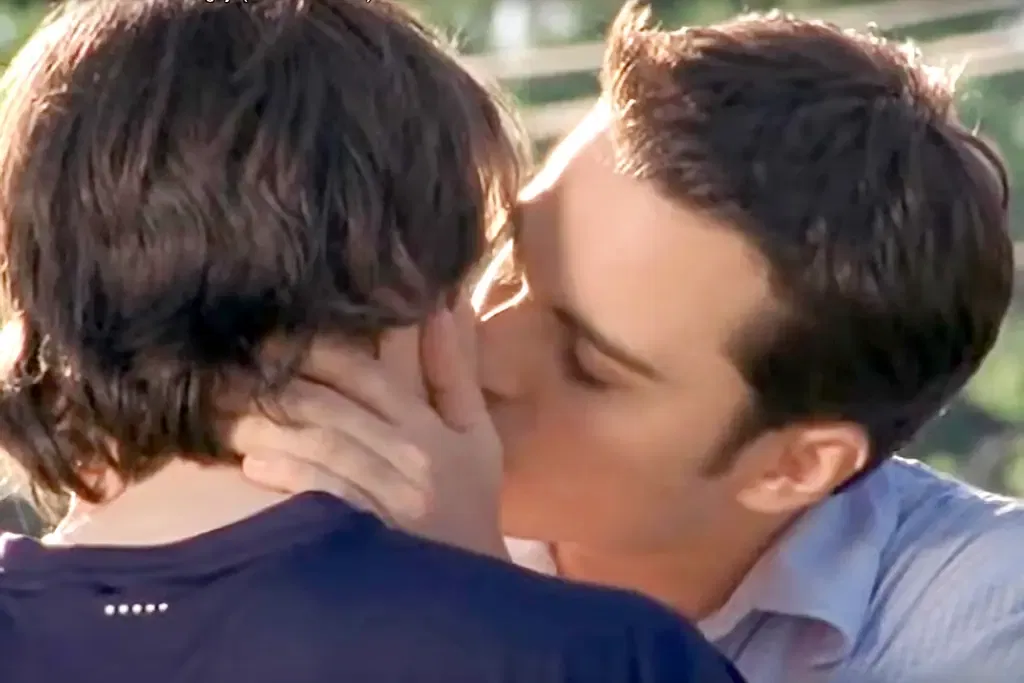
When Dawson’s Creek aired the Season 3 finale “True Love” on May 24, 2000, television made history. In that episode, Jack McPhee shared a kiss with classmate Ethan (Adam Kaufman), marking the first time a romantic kiss between two men was shown on a major network TV series. The moment became a milestone not only for LGBTQ+ representation but also for the normalization of same-sex intimacy in mainstream media.
At the time, such visibility was far from common. Smith, who was 26 years old playing a high school student, had no idea that his character would eventually become one of the first openly gay teens on network television.
A Shocking Reveal for the Actor and the Audience
In a recent appearance on the Pod Meets World podcast, Smith recalled the moment he learned about Jack’s coming-out storyline. “Nobody knew,” he said. “I didn’t know. The WB didn’t know. Sony didn’t know. None of the producers knew.”
The decision came directly from Dawson’s Creek creator Kevin Williamson, who had been reflecting on how each of the main characters represented different parts of his personality. Williamson who was not yet publicly out, realized that none of the characters mirrored his sexuality. That realization inspired Jack’s transformation from a new student and potential love interest into one of television’s most important LGBTQ+ figures.
A Conversation That Changed His Career
Smith recalls being called into a meeting with Williamson just two months after joining the show. Initially fearing he might be fired, he was instead presented with a career-defining opportunity. “Kevin said he wanted to take the character in a different direction,” Smith explained. “He wanted Jack to come to terms with his identity.”
At a time when LGBTQ+ representation was scarce and controversial, Smith needed time to think. “I had to make phone calls to everyone I respected,” he said, referencing his family, friends, and agent. “I needed to make sure I made the right decision.”
Support From His Peers
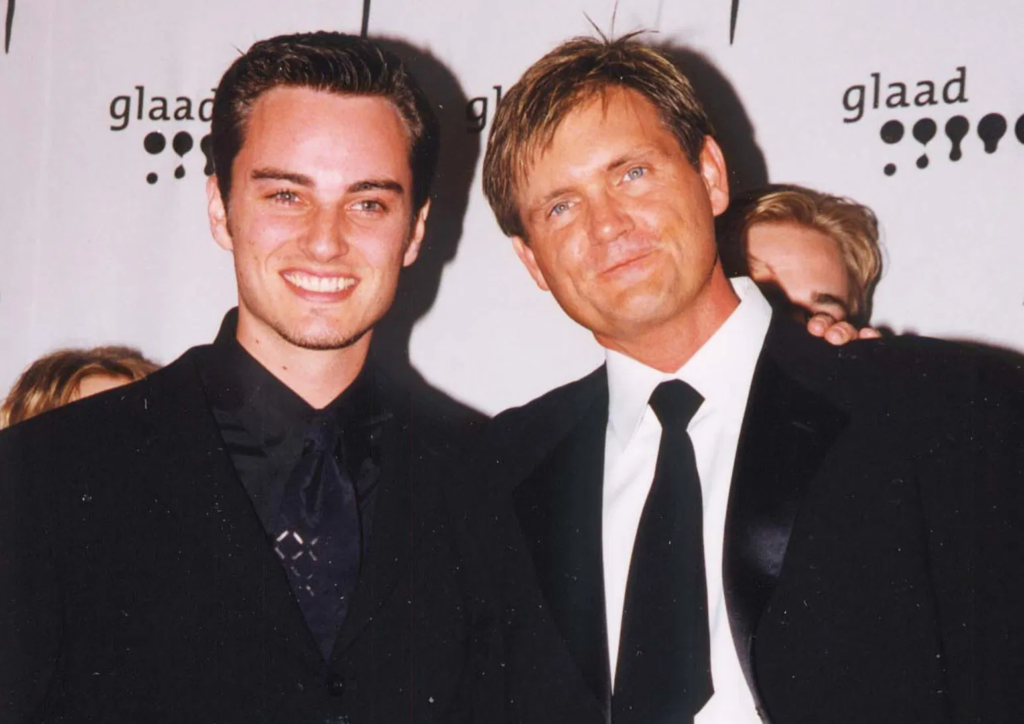
Smith received overwhelming support from those around him, including co-star John Wesley Shipp, who played Dawson’s father. “He told me, ‘Do it because you’ll get the best of Kevin Williamson’s writing,’” Smith shared. That advice proved prophetic, as Jack McPhee’s storyline became one of the most emotionally resonant arcs in teen television history.
Facing Backlash and Public Outrage
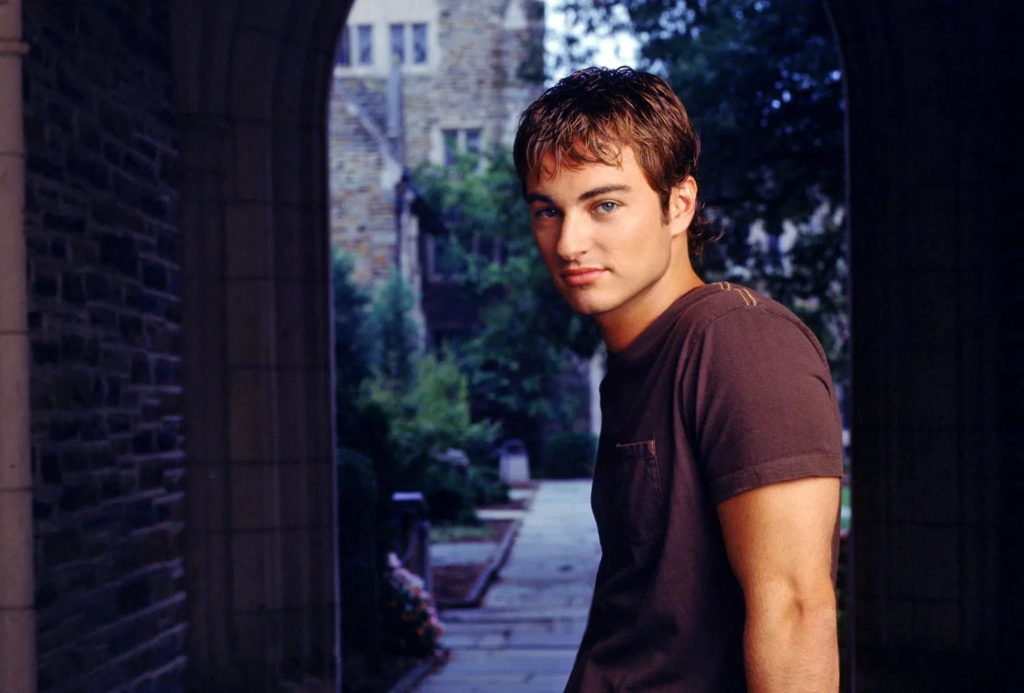
Despite the positive critical reception, Smith faced intense backlash from parts of the public. “We had protests outside the stage, yelling and screaming,” he recalled. “There was a brick wall separating me from a crowd of people who were angry as hell. If I had walked out there, they’d probably have beaten me.”
This visceral reaction highlights just how controversial representation was at the time. A simple on-screen kiss between two men ignited nationwide debate and, for some, fury. Yet for countless others, it represented validation, visibility, and hope.
A Cultural Shift in Real Time
The controversy surrounding Jack’s storyline illustrated a broader societal shift. For many LGBTQ+ viewers, Dawson’s Creek offered the first authentic portrayal of teenage queerness on television. The series approached Jack’s story not as a spectacle but as a human journey—one marked by confusion, courage, and self-acceptance.
Television’s Slow Evolution
Two decades later, Smith looks back on that moment with pride. “I’m super proud of what we pulled off,” he said. “Television has changed so much, and people’s acceptance of different sexualities is much broader today.”
However, progress has not been entirely linear. GLAAD’s latest report notes that while LGBTQ+ representation increased slightly this year, nearly half of those characters appear on shows that have been canceled or won’t return. The risk, according to the organization, is a potential rollback in representation during a politically polarized era.
Kevin Williamson’s Personal Catharsis
For Williamson, Jack’s story was more than just a creative decision—it was personal liberation. Having penned hits like Scream and I Know What You Did Last Summer, he was already one of Hollywood’s most sought-after writers. But Dawson’s Creek allowed him to channel his own coming-out journey through his art.
By giving Jack a voice, Williamson gave himself one too.
From Fear to Legacy
Smith’s initial fear of being typecast or targeted has since transformed into pride. “At that time, it was scary,” he admitted. “But looking back, it’s one of the things I’m most proud of in my career.” His courage, along with Williamson’s storytelling, helped open the door for later generations of television to feature LGBTQ+ characters more authentically.
The Broader Impact of Representation
The legacy of Dawson’s Creek goes beyond nostalgia. It laid the groundwork for shows like Glee, The Fosters, Euphoria, and Heartstopper, all of which center queer narratives with compassion and nuance. Jack McPhee’s kiss may have sparked outrage in 2000, but today, it stands as a symbol of progress and resilience.
The Fight for Continued Visibility
As Hollywood faces industry contractions and shifting priorities, the fear of losing ground on representation remains. GLAAD warns that reducing queer visibility sends a “dangerous precedent” that could reverse decades of progress. Yet moments like Jack’s coming-out remind us that change often begins with a single brave story.
Looking Back, Moving Forward
Smith’s journey—from uncertainty to advocacy—reflects the evolution of television itself. What was once revolutionary has become essential, yet still vulnerable to political and economic pressures. His story, and Jack’s, continue to inspire conversations about inclusivity, empathy, and courage.
Conclusion
Twenty-five years later, Kerr Smith’s portrayal of Jack McPhee remains a landmark moment in television history. It challenged audiences, reshaped narratives, and offered millions a reflection of themselves they had never seen before. As the entertainment industry re-evaluates its priorities, remembering these milestones reminds us that visibility is not just entertainment, it’s empowerment.