
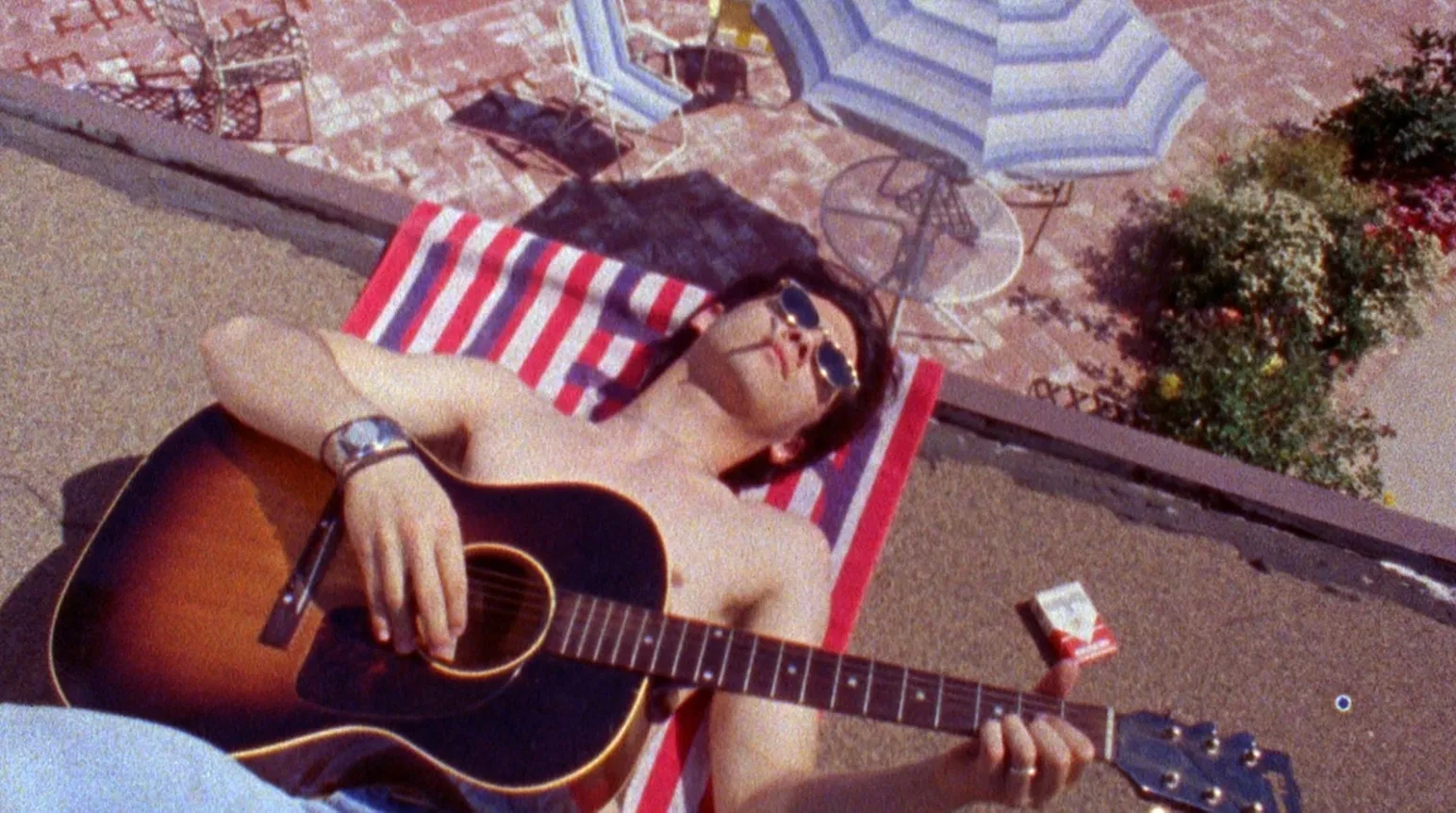
As Gregg Araki returns to Sundance, we revisit the raw, erotic 1993 film that helped define New Queer Cinema.
Welcome back to our queer film retrospective, A Gay Old Time. This week, with New Queer Cinema auteur Gregg Araki premiering his first feature film in over a decade at the 2026 Sundance Film Festival, we’re revisiting one of his most influential early works: Totally F**ed Up*.
The 2026 Sundance Film Festival has officially kicked off, marking its final year in the place it has called home for decades: Park City, Utah. For many filmmakers, Sundance has long been more than just a festival. It reshaped the American indie film landscape and helped launch countless LGBTQ+ voices who might otherwise have been sidelined by mainstream Hollywood.
Few films better represent that legacy than Totally F**ed Up*, which premiered at Sundance in 1993 and announced Gregg Araki as one of queer cinema’s boldest, most uncompromising voices.
The set-up
Gregg Araki is one of the defining figures of the New Queer Cinema movement of the 1990s. Alongside filmmakers like Todd Haynes, Gus Van Sant, Cheryl Dunye, and Rose Troche, Araki rejected decades of coded storytelling and sanitized representation in favor of work that was explicitly queer, emotionally raw, and often confrontational.
Where many of his peers leaned into tenderness or irony, Araki’s films pulsed with anger, alienation, and youthful rebellion. His stories frequently center queer teens and twenty-somethings who feel unmoored from society, told through loose, impressionistic narratives that mirror their confusion, desire, and rage.
The beginning of the apocalypse
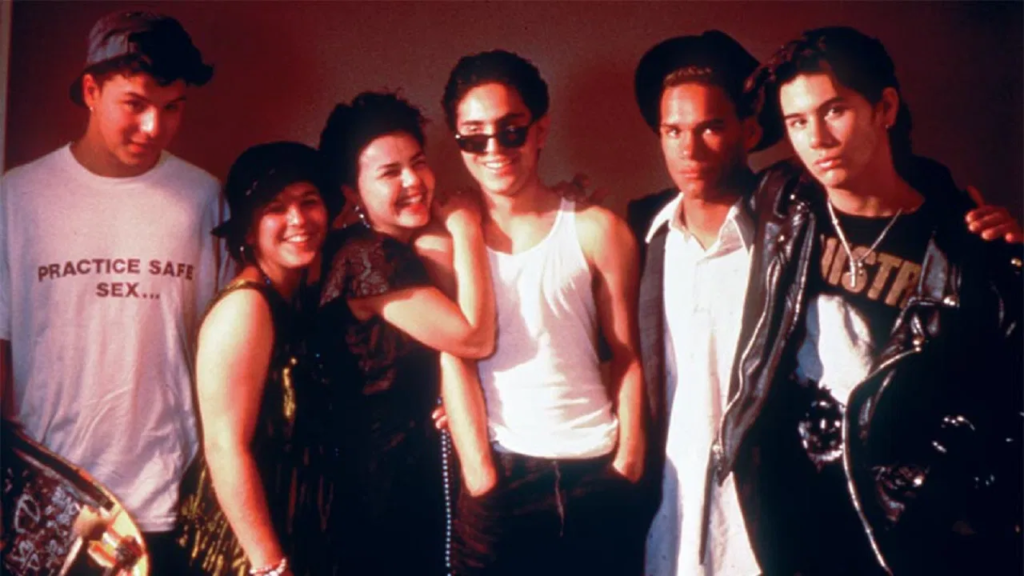
Released in 1993, Totally F**ed Up* is the first installment in what would later be known as Araki’s Teen Apocalypse trilogy, followed by The Doom Generation and Nowhere. Structured as fourteen short vignettes, the film follows six queer teenagers living in Los Angeles as they navigate sex, love, friendship, and the crushing boredom of adolescence.
Each segment focuses on a different facet of their lives: infidelity, hookup culture, gay bashing, dreams of domesticity, strained relationships with parents, and the looming presence of AIDS in the early ’90s. Shot in a faux-documentary style through a character’s camcorder, the film feels immediate and intimate, as if the audience is watching footage never meant to be shared.
What makes Totally F**ed Up* so powerful is its refusal to moralize. These struggles aren’t framed as cautionary tales. They’re simply part of daily life for these characters, treated with the same numb detachment that defined much of Gen X culture at the time.
Totally stylin and sexy
The film’s lo-fi aesthetic adds a voyeuristic intimacy that still feels daring today. The cast, largely made up of unknown performers, makes the characters feel achingly real, allowing viewers to project their own experiences onto the screen. In retrospect, audiences may recognize James Duval in his first major film role, but at the time, the ensemble’s anonymity only heightened the realism.
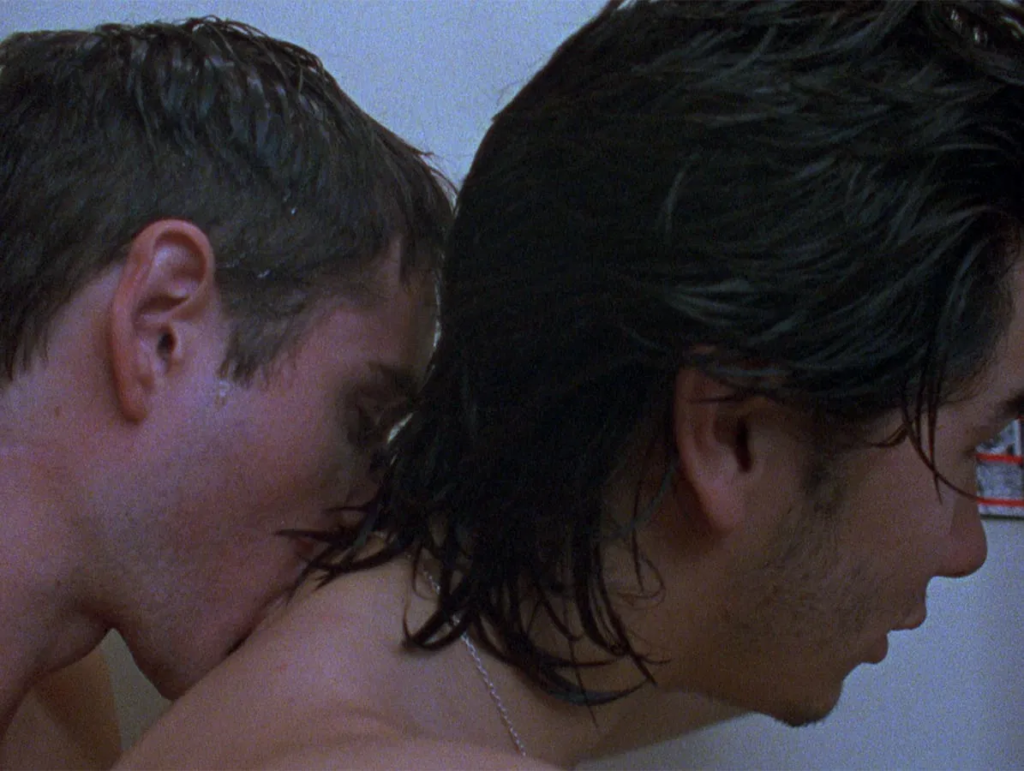
Totally F**ed Up* is also unapologetically erotic. While it includes explicit sexual encounters, Araki is just as interested in the moments surrounding them: the anticipation, the emotional vulnerability, the ripple effects desire has on friendships and self-worth. The film understands how deeply sex is woven into queer teenage life, where intimacy and identity are often inseparable.
It also stands as one of the great Los Angeles movies. Araki captures the city’s dark alleys, forgotten bars, and superficial glamour with equal affection and disdain. Los Angeles is both a playground and a pressure cooker, capable of shaping you just as easily as it can break you.
Forever f***ed
By the time this piece publishes, Gregg Araki will have premiered his latest film, I Want Your Sex, at Sundance. While details remain tightly under wraps, the project stars Olivia Wilde, Cooper Hoffman, Charli XCX, Mason Gooding, and Margaret Cho, marking Araki’s return to feature filmmaking after more than a decade.
Revisiting Totally F**ed Up* now, it’s striking how alive it still feels. The film remains messy, confrontational, erotic, and emotionally honest in ways that even contemporary queer cinema sometimes avoids. At a time when LGBTQ+ stories were often softened for broader appeal, Araki refused to compromise.
Queer lives are complicated, uncomfortable, thrilling, and unapologetically intense. Totally F**ed Up* doesn’t just acknowledge that truth. It revels in it.
Totally F**ed Up* is streaming on The Criterion Channel, Kanopy, and Mubi, and is available for digital rental or purchase via Amazon Prime Video and Apple TV.