
Honoring National Coming Out Day Through Queer Cinema
National Coming Out Day recognizes the profound courage required to live openly as LGBTQ+. To celebrate, we revisit a landmark film that helped define how coming-out stories are told: the 1999 queer classic Edge Of Seventeen.
While today’s media landscape includes a wide range of LGBTQ+ narratives, Edge Of Seventeen arrived at a time when the experience of a closeted teenager conflicted, terrified, and hopeful rarely took center stage.
The Film That Changed Coming-Out Representation
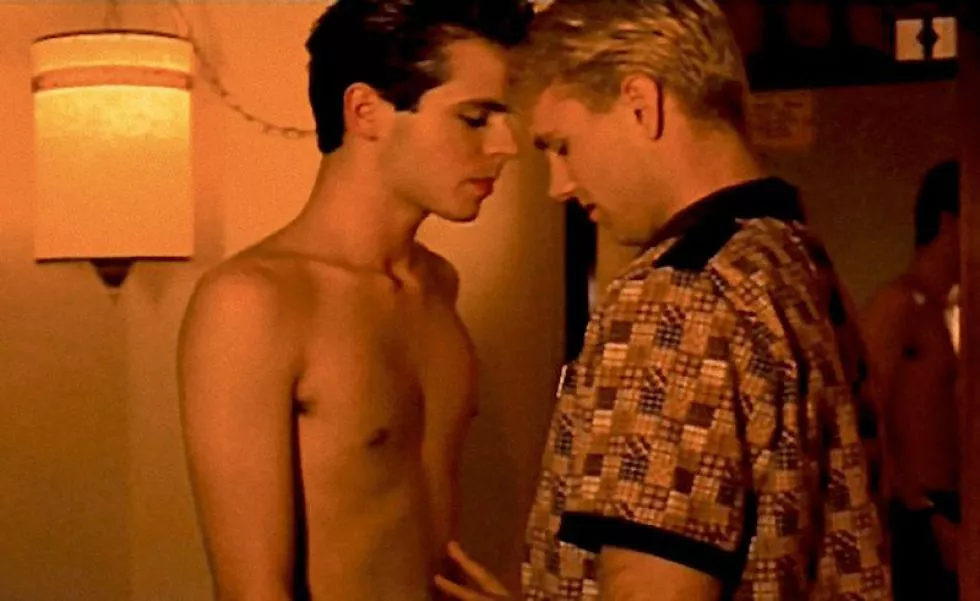
Released at the tail end of the New Queer Cinema era, the movie broke away from the underground aesthetic of its predecessors. Instead of focusing on already-out queer adults, it spotlighted a suburban teenager confronting his sexuality for the first time.
The story follows Eric Hunter (Chris Stafford), a musically inclined high-schooler in Sandusky, Ohio. Dreaming of escape with his best friend Maggie (Tina Holmes), Eric’s world shifts when he meets the confident and openly gay Rod (Andersen Gabrych) at a summer job. A passionate secret romance awakens Eric’s understanding of himself, only to end abruptly when Rod reconciles with an ex-boyfriend.
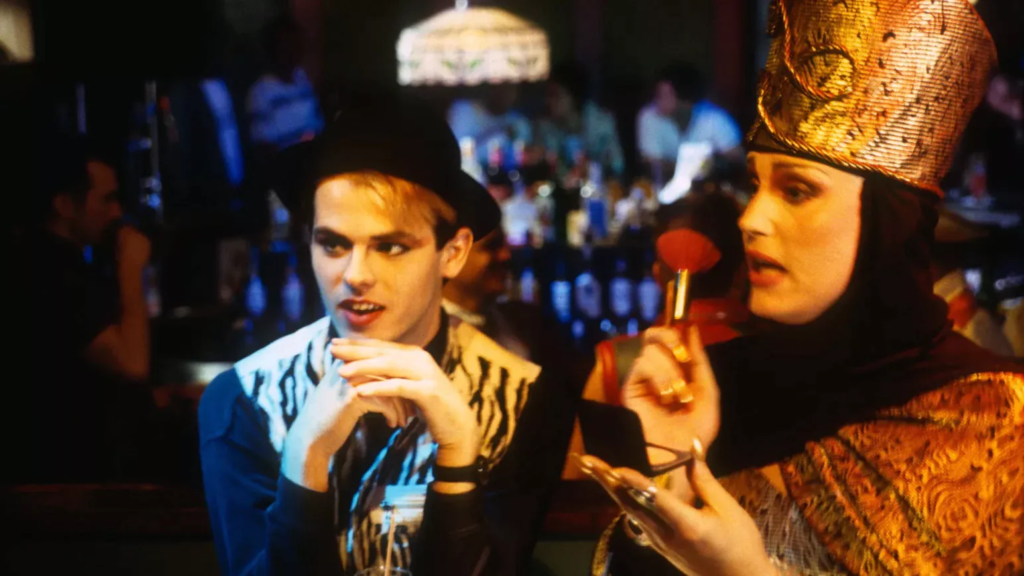
The heartbreak sets off a turmoil many LGBTQ+ people recognize: Eric attempts to force himself into heterosexuality, pursuing Maggie romantically while slipping away at night to the local gay bar. His fear, confusion, and longing collide in a wave of self-discovery.
The Coming-Out Scene That Became a Blueprint
One moment in the film stands out as its emotional core and a template for many works that followed. In a vulnerable conversation, Eric reveals the truth to his mother Bonnie (Stephanie McVay). Her initial uncertainty quickly transforms into love and reassurance.
That scene changed expectations for how supportive family coming-out moments could be portrayed in mainstream media. It set the bar for beloved titles that would come after, from Queer As Folk to Heartstopper and Love, Simon.
Without Bonnie, there would be no “you can exhale now, Simon.”
A Story That Feels Familiar Because It Inspired So Many
Looking back today, the film’s elements may seem recognizable: the confused teen, the supportive parent, the heartbreaking first love. Yet these tropes feel familiar because Edge of Seventeen helped establish them.
Set in 1984, the film is also a vibrant period piece filled with synth-pop, denim, and the yearning energy of an era where acceptance was still far from guaranteed.
Its continued cultural relevance proves how universal its journey remains.
Why Coming-Out Stories Still Matter
Some argue modern storytelling has moved past the need for coming-out narratives. But as LGBTQ+ rights remain challenged across the world, representation that encourages visibility and honors the emotional truth of coming out remains crucial.
Edge Of Seventeen reminds us:
- Acceptance is a journey, not a single moment
- Every coming-out experience is valid
- Living openly still requires bravery
As long as queer youth face fear and uncertainty, stories like this will continue to resonate.
Where to Watch Edge Of Seventeen
Edge Of Seventeen is currently streaming on Kanopy and available for digital rental or purchase on Amazon Prime Video and Apple TV+.
It stands not only as a film of its time but as a lasting symbol of courage, one that continues to guide how coming-out scenes are written and remembered.