
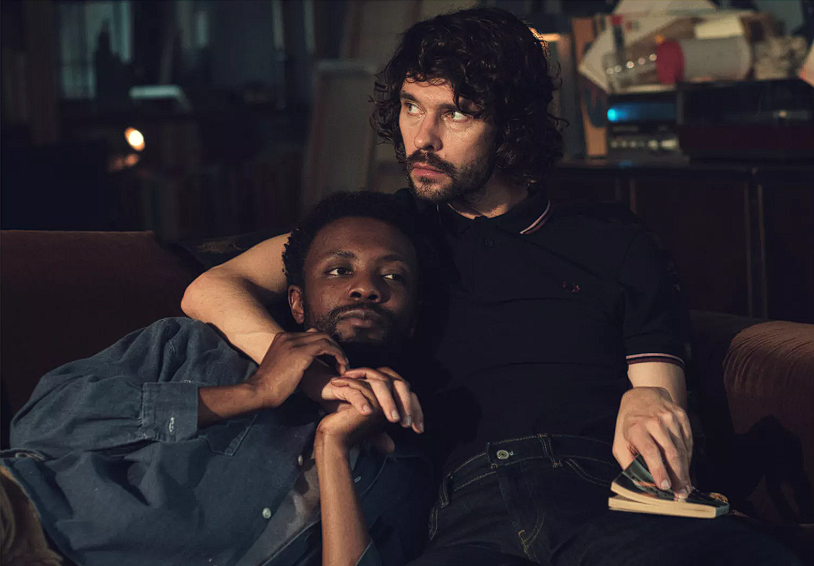
Ben Whishaw on How Hollywood Has Brightened for Gay Actors
It has been just over a decade since Ben Whishaw publicly came out as gay, and in that time, the British star has watched the world around him change in ways he once thought impossible.
Known for his unforgettable performances as Q in the James Bond films, the voice of Paddington Bear, and numerous stage and screen triumphs, Whishaw now reflects with a smile on how far Hollywood has come in embracing openly gay actors.
From Private Beginnings to Open Conversations
For much of his early career, Whishaw preferred to keep his private life tucked safely away from the spotlight. Even after entering a civil partnership with composer Mark Bradshaw in 2012, he rarely commented publicly about his identity.
“An actor has a right to privacy and mystery,” he said years ago. And while that still rings true, Whishaw now speaks more openly about being gay, recognizing how his own journey mirrors the progress of the industry itself.
Hopelessly addicted to Ben Whishaw saying “Darling” in Black Doves pic.twitter.com/j9Wim8VvBj
— Netflix (@netflix) December 22, 2024
A New Era of Representation
Looking back, Whishaw recalls a time when few openly gay actors felt secure in their careers. Today, he says, things feel brighter: “It is sustainable now, in a way it wasn’t before.”
The proof is on our screens. From Jonathan Bailey in Bridgerton to Colman Domingo in Rustin, audiences are celebrating queer stars in lead roles rather than watching them confined to stereotypes. Whishaw himself has thrived in roles where queerness is acknowledged but not overexplained — a sign of healthy storytelling growth.
Characters That Break the Mold
Whishaw’s joy shines when he talks about playing roles that don’t rely on labels. In Netflix’s Black Doves, for example, his character Sam is both a spy and a gay man, but the plot focuses on espionage rather than identity politics. For Whishaw, this balance is quietly radical: “It’s exciting to see gay characters who can be messy, morally complex, and human.”
This philosophy extends to projects like This Is Going to Hurt, Passages, A Very English Scandal, and London Spy. Each performance has added new colors to the spectrum of queer characters on screen, proving that representation doesn’t have to be “perfect” to be powerful.
Even Bond Got the Memo
In a particularly joyful twist, even Whishaw’s famously tight-lipped Bond character, Q, was revealed to be queer in No Time To Die. For millions of viewers, this subtle nod was a milestone: proof that blockbuster franchises can weave LGBTQ+ identities into their worlds without spectacle or fanfare.
Honoring Queer Artistry
Beyond his acting, Whishaw continues to celebrate queer stories through his upcoming role as photographer Peter Hujar. Hujar’s portraits captured both the vibrant joy and heartbreaking losses of the queer community in the 1970s and ’80s, before his untimely death from AIDS in 1987. Whishaw’s dedication to portraying him honors a legacy that deserves even more recognition.
A Decade of Hope
What Whishaw makes clear is that being openly gay in Hollywood is no longer a burden, it’s an opportunity. By embracing both queer and straight roles, and by refusing to be boxed in, he is part of a new wave of actors helping audiences see that queer stories can be as varied, fun, and dynamic as life itself.
Hollywood still has work to do, but Ben Whishaw’s career proves there is more room than ever for LGBTQ+ joy, creativity, and complexity on screen. And that, in itself, is worth celebrating.