
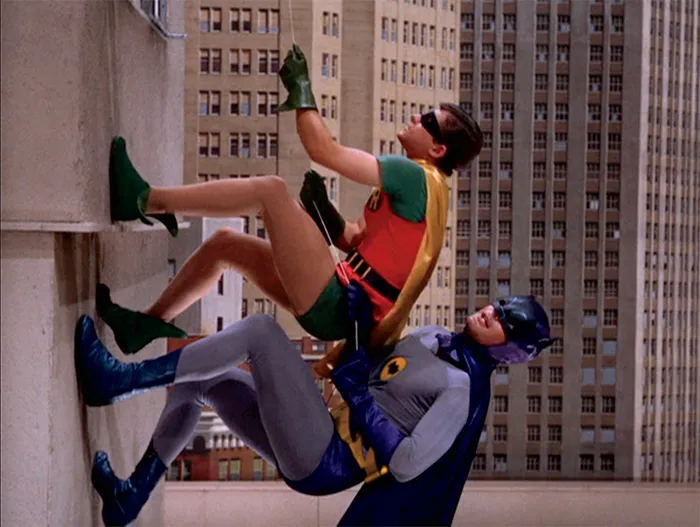
Today’s superhero movies are often packed with world-ending stakes, brooding heroes, and billion-dollar visual effects.
But the first feature-length Batman film couldn’t have been more different.
Released in 1966, Batman: The Movie starred Adam West as the Caped Crusader and Burt Ward as Robin, bringing the wildly successful television series to the big screen. Rather than embracing realism, the film leaned into colorful costumes, outrageous villains, exaggerated dialogue, and a playful sense of humor that would become its defining legacy.
Nearly six decades later, many fans particularly LGBTQ+ audiences continue to celebrate it as one of the campiest and most influential superhero films ever made.
A Batman Unlike Any Other
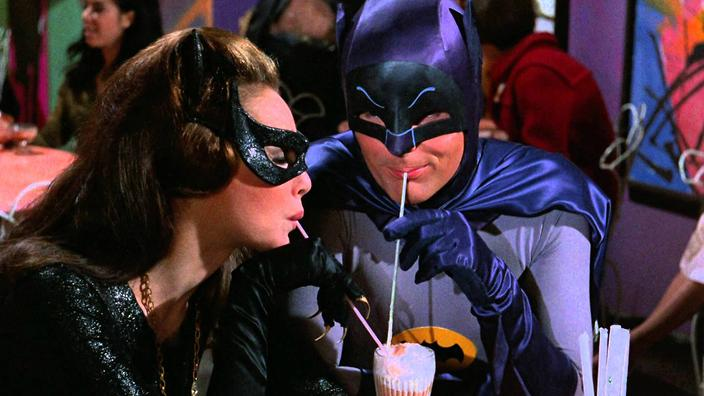
Modern audiences know Batman as a tortured vigilante navigating Gotham’s darkest corners.
The 1966 version was something else entirely.
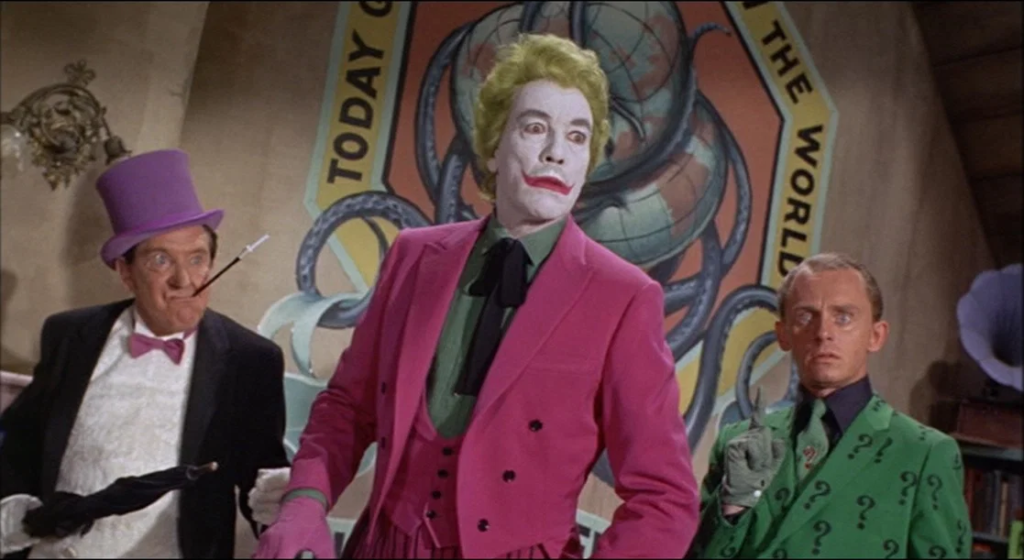
Batman and Robin approached crime-fighting with absolute sincerity, even as they faced absurd situations involving exploding sharks, giant dehydrating machines, and a team-up between four iconic villains: The Joker, The Penguin, The Riddler, and Catwoman.
The movie never winked at the audience.
Instead, it committed completely to its over-the-top style and that’s exactly what made it memorable.
Why Queer Audiences Embraced It
Camp has long held an important place in LGBTQ+ culture.
Characterized by theatrical performances, exaggerated fashion, heightened emotion, and joyful excess, camp often celebrates entertainment that refuses to take itself too seriously.
Batman: The Movie embodies those qualities from beginning to end.
Its flamboyant villains steal nearly every scene with extravagant costumes, dramatic entrances, and delightfully exaggerated performances. The film’s colorful production design and tongue-in-cheek dialogue create an atmosphere that feels closer to a stage production than a conventional action movie.
For many queer viewers, those elements transformed the film into more than a superhero adventure it became a celebration of style, performance, and unapologetic theatricality.
The Film That Defined Batman for a Generation
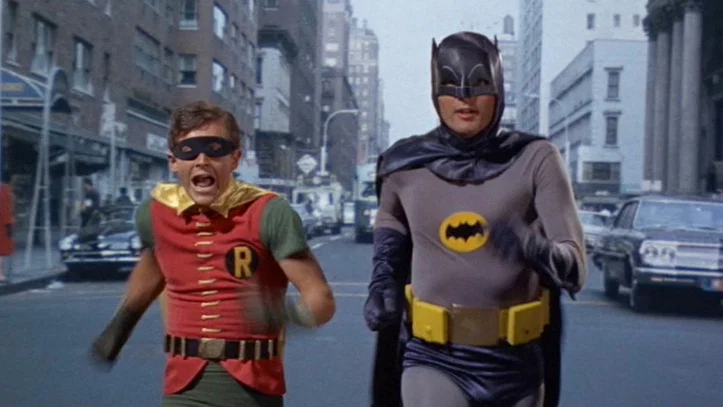
Although later versions of Batman moved toward darker storytelling, the 1966 film established many of the visual and cultural touchstones audiences still associate with the character.
Its popularity helped prove that comic-book heroes could attract mainstream moviegoers, paving the way for later adaptations.
Even filmmakers who intentionally rejected its campy tone often defined their own versions in contrast to Adam West’s portrayal. From Tim Burton’s gothic vision to Christopher Nolan’s grounded realism, each reinvention has existed partly in conversation with the legacy of the original big-screen Batman.
Camp Was Never the Problem
For years, some critics dismissed the 1966 film as too silly.
Today, attitudes have shifted.
Many viewers now recognize that its commitment to camp wasn’t a weakness it was its greatest strength.
Modern audiences increasingly appreciate the movie’s self-confidence, vibrant visual identity, and willingness to embrace fun instead of chasing realism.
Its influence can still be seen in projects that mix superhero storytelling with humor, spectacle, and bold artistic choices.
A Legacy That Still Endures
Sixty years after its theatrical debut, Batman: The Movie remains more than a nostalgic curiosity.
It represents a different vision of what superhero stories can be one where entertainment comes from imagination, color, and theatrical flair as much as action.
While Batman has evolved through countless interpretations, Adam West’s cheerful Caped Crusader continues to occupy a unique place in pop culture.
For many fans, especially within the LGBTQ+ community, the film isn’t remembered despite its camp.
It’s remembered because of it.
In an era dominated by darker superheroes, Batman: The Movie serves as a reminder that joy, humor, and unapologetic extravagance can be just as heroic.