
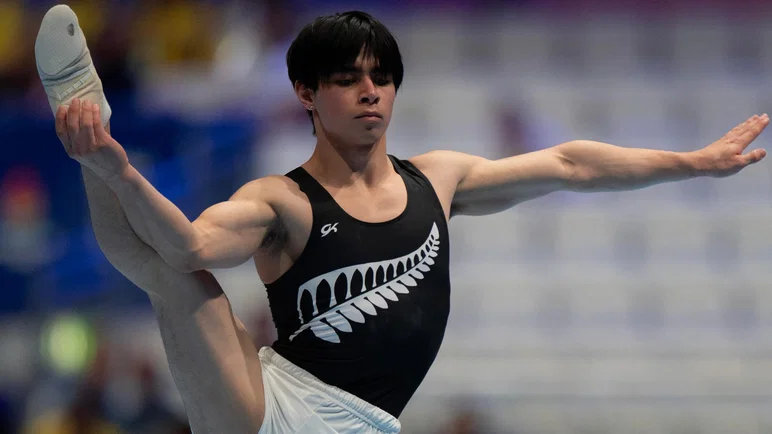
For many athletes, the biggest challenges come during competition.
For Max Renaud, the toughest moment happened far from the gym floor.
At just 16 years old, the New Zealand gymnast was outed without his consent, an experience that left him questioning his future in both sport and everyday life. Instead of focusing on routines and competitions, he suddenly found himself dealing with unwanted attention and the emotional toll of losing control over his own story.
Years later, Renaud is back doing what he loves and proving that authenticity can be just as powerful as athletic talent.
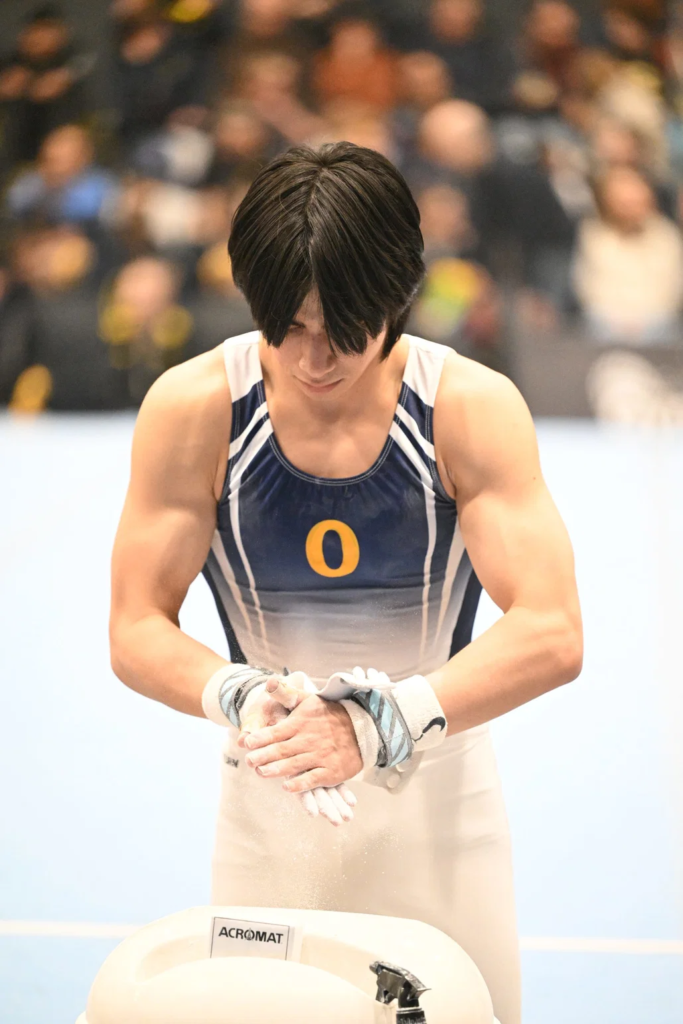
Being Outed Changed Everything
Coming out is a deeply personal decision.
For Renaud, that choice was taken away.
He has spoken openly about how being outed as a teenager affected his confidence and relationship with gymnastics. The experience contributed to him stepping away from the sport for a period, leaving behind a discipline that had been a major part of his life.
Like many LGBTQ+ young people who are outed before they are ready, Renaud faced not only personal uncertainty but also concerns about acceptance within competitive athletics.

Returning to the Mat
Despite the difficult experience, Renaud eventually rediscovered his passion for gymnastics.
Rather than allowing one painful chapter to define his future, he returned to training with a renewed appreciation for the sport and for himself.
Today, he competes proudly for New Zealand, representing his country while embracing his identity openly a contrast to the fear and uncertainty he experienced as a teenager.
More Than an Athletic Comeback
Renaud’s story is about much more than medals or scores.
It reflects a broader shift within international sports, where more LGBTQ+ athletes are choosing to compete openly than ever before.
While challenges remain, particularly for younger athletes and those in less accepting environments, visibility from competitors like Renaud helps demonstrate that success and authenticity are not mutually exclusive.
His journey also highlights an important distinction: coming out is an act of personal choice, while being outed removes that choice. Advocates have long emphasized that respecting a person’s privacy is essential, regardless of their public profile.
Representation Matters
Seeing openly LGBTQ+ athletes compete at elite levels can have a meaningful impact on young people who may be questioning whether there is a place for them in sport.
Renaud understands that responsibility.
By sharing his experiences publicly, he hopes other athletes who have struggled with acceptance or who fear they may never feel comfortable being themselves—can see that difficult beginnings do not determine the rest of their lives.
Looking Ahead
Renaud’s focus remains on gymnastics and continuing to represent New Zealand at the highest level possible.
But his legacy may ultimately extend beyond competition.
His willingness to speak honestly about being outed, stepping away from the sport, and finding the confidence to return offers an example of resilience that reaches far beyond the gymnastics community.
For many fans, that’s what makes his story so compelling.
It’s not simply about making a comeback.
It’s about reclaiming a life, a passion, and an identity on his own terms.