
Every year, one television series quietly arrives without massive marketing or blockbuster expectations, only to become the show everyone suddenly recommends.
In 2026, that series may be Furious.
Created by Liz Meriwether, the Emmy-nominated writer behind New Girl, the Hulu thriller is a dramatic departure from her comedy roots. Instead of quirky roommates and lighthearted humor, Furious dives into obsession, trauma, justice, and morality through the story of two women whose lives become dangerously intertwined.
A Cat-and-Mouse Thriller With a Queer Twist
At the center of the series is Alice Black (Emmy Rossum), a rookie FBI agent determined to stop Catherine (Lola Petticrew), an elusive serial killer who targets wealthy sex traffickers.
As Alice investigates, the case becomes increasingly complicated.
The more she learns about Catherine’s past and the failures of the justice system to protect vulnerable women the more blurred the line between hero and villain becomes.
Rather than presenting a simple battle between good and evil, Furious asks uncomfortable questions about justice, revenge, and institutional failure.
Why Viewers Are Comparing It to Killing Eve
One of the biggest reasons Furious has generated buzz is its unmistakable emotional tension between its two leads.
Like Killing Eve, the show blends psychological suspense with fascination, attraction, and emotional complexity.
But Furious pushes its queer representation even further.
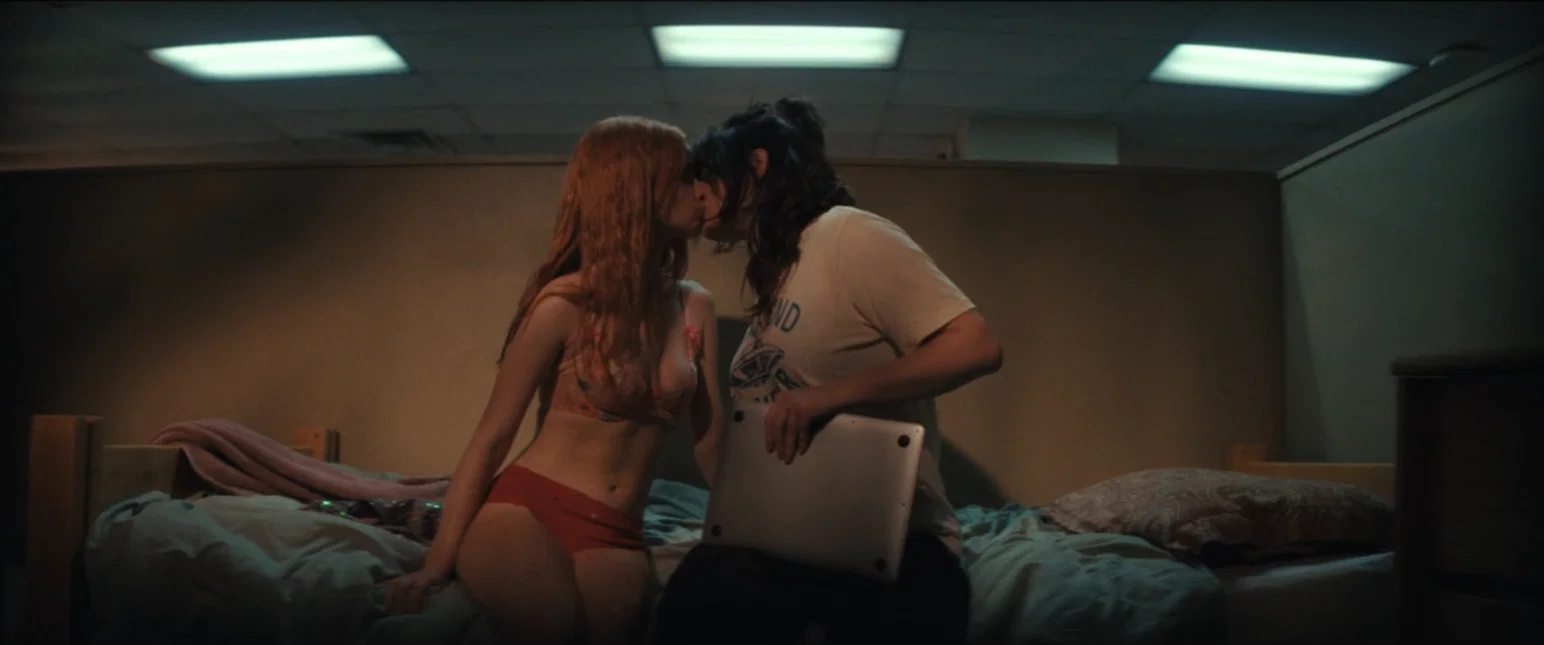
Catherine, played by nonbinary actor Lola Petticrew, is portrayed as an equal-opportunity seductress whose relationships with women, men, and nonbinary characters are woven naturally into the story rather than treated as a novelty.
The result is a thriller where LGBTQ+ identities are central to the narrative without defining every aspect of the characters.
Small Moments Speak Volumes
One detail highlighted by early viewers demonstrates the show’s subtle approach to representation.
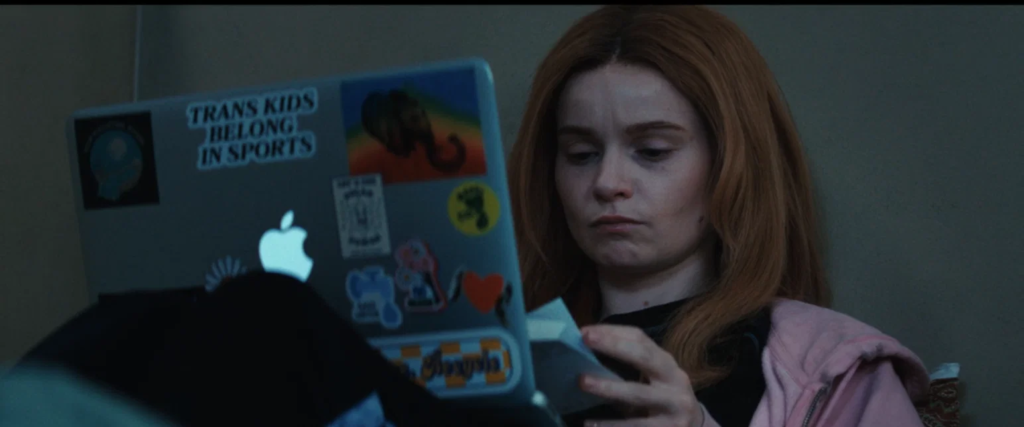
In the premiere episode, Catherine briefly takes refuge in a women’s shelter after escaping authorities.
While using a volunteer’s laptop, viewers can spot a sticker that reads:
“Trans Kids Belong in Sports.”
The moment lasts only seconds, yet it quietly reinforces the values of the world the characters inhabit without interrupting the story or feeling forced.
It’s the kind of understated storytelling that many critics have praised.
Liz Meriwether Continues to Surprise Audiences
For viewers who only know Meriwether from New Girl, Furious may come as a shock.
Over the past decade, she has steadily expanded her range, working on projects that explore true crime, illness, and psychological drama.
With Furious, she delivers perhaps her darkest work yet a tense, morally ambiguous thriller that trusts viewers to wrestle with difficult questions instead of offering easy answers.
Only Three Episodes Are Out And Fans Already Want More
At launch, Hulu released the first three episodes, leaving audiences eager for what comes next.
Early reactions have praised:
- Emmy Rossum’s layered performance as FBI agent Alice Black
- Lola Petticrew’s chilling and charismatic portrayal of Catherine
- the show’s stylish cinematography
- its refusal to rely on familiar crime drama clichés
- authentic LGBTQ+ representation integrated into the story rather than added as an afterthought
A Hidden Gem Worth Discovering
Streaming services release dozens of original shows every month, making it easy for exceptional series to slip through the cracks.
Furious deserves better.
Its combination of psychological suspense, morally complex storytelling, standout performances, and meaningful queer representation makes it one of the year’s most compelling new dramas.
If you’re looking for a thriller that’s intelligent, emotionally charged, and refreshingly different from the standard crime procedural, this is one series you shouldn’t overlook.
Sometimes the best shows aren’t the ones dominating billboards they’re the ones quietly waiting to be discovered.