
Hunter Biden has never been known for measured political commentary.
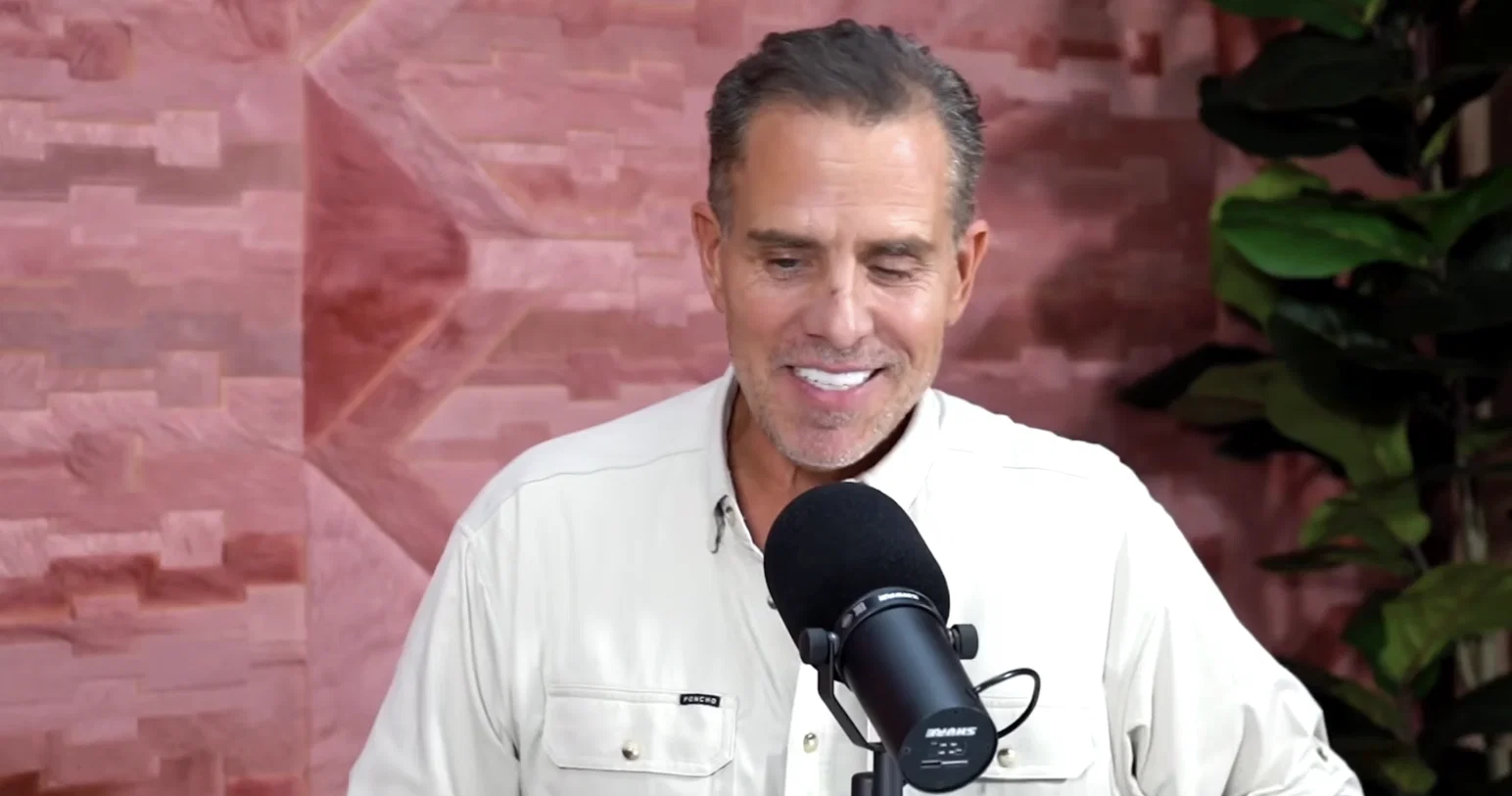
During a recent appearance on the I’ve Had It podcast, the son of former President Joe Biden introduced a new word that quickly spread across social media:
“Closetocracy.”
Using the term, Hunter argued that many of the loudest anti-LGBTQ+ voices in conservative politics are motivated by unresolved struggles with their own sexuality rather than ideology alone.
The remark immediately became one of the most discussed moments from the interview, drawing praise from some LGBTQ+ advocates while prompting criticism from others who argued it unfairly stereotypes people based on their politics.
@kochead 🚨 #hunterbiden just dropped a mega-truth bomb on @I’ve Had It Podcast !! 😳 #MAGAmeltdown #breakingnews #today #politics ♬ Inspiring Violins – D'MICHEL LEB & soul frequency
What Hunter Biden Actually Said
During the conversation, Hunter criticized what he described as an obsession among some Republican politicians with LGBTQ+ issues.
He argued that the country’s political problem isn’t simply concentrated wealth or an “oligarchy.”
Instead, he suggested the United States is governed by what he called a “closetocracy”—his term for closeted public officials whose internal conflicts allegedly influence anti-LGBTQ+ policies.
He did not identify specific individuals or present evidence supporting the broader claim.
Instead, he framed it as his personal opinion about the motivations behind certain political movements.
Why the Comments Are So Controversial
Hunter Biden’s remarks tap into a long-running and highly sensitive debate.
For decades, there have been documented cases of public officials who campaigned against LGBTQ+ rights before later acknowledging they were gay or bisexual.
At the same time, LGBTQ+ organizations and civil liberties advocates have repeatedly cautioned against assuming or speculating about anyone’s sexual orientation without evidence.
Doing so, they argue, risks reinforcing harmful stereotypes and shifting attention away from policy debates.
Because of that history, Hunter’s comments have generated both agreement and criticism—even among people who oppose anti-LGBTQ+ legislation.
Social Media Quickly Amplified the Clip
The interview spread rapidly across TikTok, Threads, Instagram, and X, where short video clips of Hunter’s comments accumulated hundreds of thousands of views within hours.
Supporters praised him for bluntly challenging politicians who promote anti-LGBTQ+ policies.
Critics accused him of making sweeping claims without evidence and argued that attributing political positions to presumed sexual orientation is itself problematic.
As with many viral political moments, reactions largely split along ideological lines.
A Familiar Argument in LGBTQ+ Politics
Hunter Biden’s comments echo a broader argument that has surfaced for years within LGBTQ+ advocacy circles.
Some activists have suggested that certain anti-LGBTQ+ rhetoric may, in some cases, stem from personal struggles with identity or internalized homophobia.
Mental health professionals caution, however, that there is no basis for assuming someone’s sexual orientation simply because they support or oppose particular policies. People’s political beliefs arise from many different influences, and speculation about private identity is not evidence.
That distinction is important when evaluating broad public claims like Hunter’s.
Hunter Biden’s Public Profile Has Changed
The interview is part of Hunter Biden’s increasingly visible media presence in 2026.
After years dominated by legal troubles and political scrutiny, he has recently appeared on several podcasts and launched new online projects, often speaking more candidly about politics and culture than in the past.
His unfiltered style has attracted renewed attention from supporters and critics alike.
The Bigger Conversation
Whether people agree with Hunter Biden’s assessment or reject it outright, the interview has reignited discussion about the relationship between political rhetoric and LGBTQ+ issues.
It also highlights a recurring challenge in public discourse:
There is a meaningful difference between criticizing a politician’s public actions and speculating about their private identity.
Hunter Biden’s “closetocracy” remark has undoubtedly become one of the week’s most talked-about political soundbites.
Whether it advances the conversation—or simply deepens existing divisions will likely depend on who is listening.