
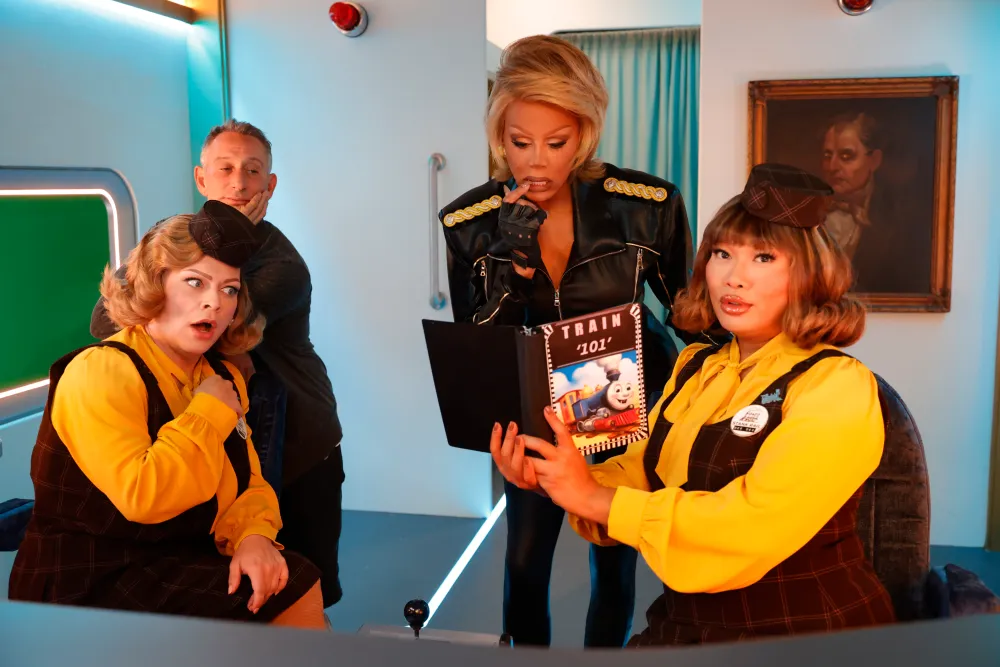
Hollywood’s artificial intelligence debate just found another high-profile participant.
Director Adam Shankman is responding to online speculation that AI tools may have been used in the production of his latest project, Stop That Train!, after some viewers questioned elements of the film’s visual presentation.
And according to Shankman, people may be jumping to conclusions.
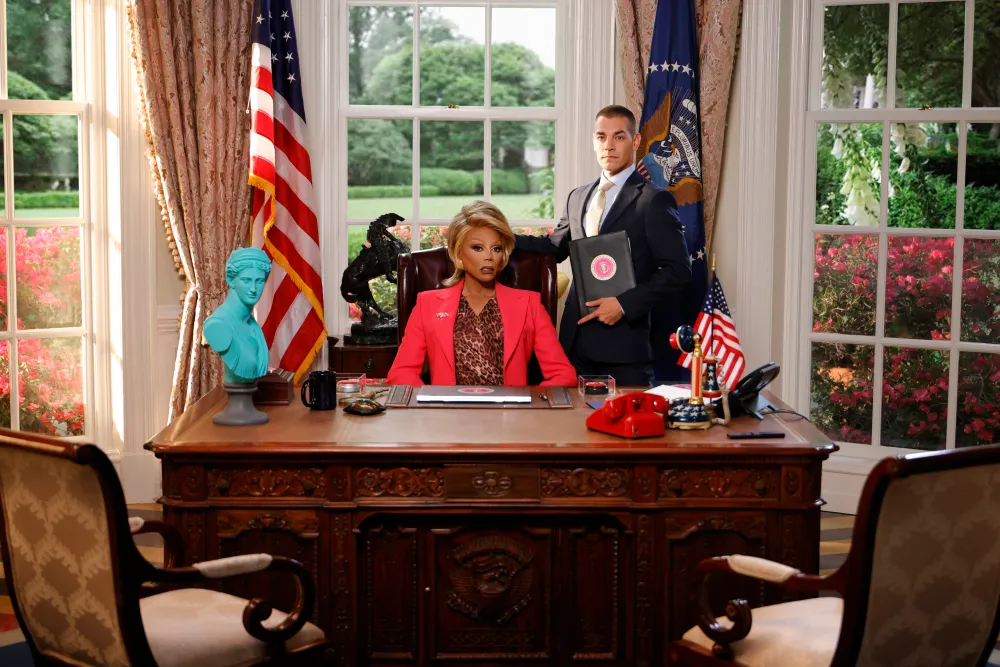
The Conversation Started Online
In recent months, audiences have become increasingly sensitive to anything that looks even remotely AI-generated.
Whether it’s:
- movie posters
- promotional artwork
- visual effects
- marketing materials
- animation
fans now scrutinize creative work more closely than ever before.
That environment helped fuel speculation surrounding Stop That Train! after some social media users questioned certain visuals connected to the project.
Shankman Says Human Artists Deserve Credit
According to reports, Shankman pushed back against the assumptions and emphasized the work performed by actual artists involved in the production.
The director reportedly expressed frustration that audiences increasingly assume AI involvement whenever a visual style appears unusual or highly stylized.
His comments highlight a growing concern across creative industries:
human artists sometimes find themselves defending work they personally created from accusations that machines made it instead.
Hollywood’s AI Anxiety Keeps Growing
The controversy arrives at a time when artificial intelligence remains one of the most contentious topics in entertainment.
Recent debates have touched nearly every corner of the industry, including:
- screenwriting
- visual effects
- animation
- voice acting
- music production
- marketing design
The issue became so significant that AI protections emerged as a major subject during recent labor negotiations involving entertainment unions. (sagaftra.org)
As a result, audiences have become increasingly alert to possible AI usage.
Why People Are Looking More Closely
Part of the reason these conversations happen so frequently is because AI-generated imagery has improved dramatically.
In many cases, casual viewers struggle to distinguish between:
- traditional digital art
- visual effects work
- AI-generated content
- hybrid production techniques
That uncertainty often leads to online speculation long before concrete information becomes available.
For filmmakers, it can create difficult public-relations situations.
Adam Shankman Has Long Worked in Highly Stylized Entertainment
Shankman is hardly new to visually ambitious projects.
Over the years, he has directed and produced major entertainment properties including:
- Hairspray
- Rock of Ages
- The Pacifier
His work frequently embraces theatricality, heightened visuals, choreography, and larger-than-life presentation.
That stylistic approach may partly explain why some viewers questioned whether certain imagery had AI involvement.
Audiences Want Transparency
One thing both critics and supporters seem to agree on is the importance of transparency.
Many moviegoers aren’t necessarily opposed to technology itself.
Instead, they want clear answers regarding:
- how projects are created
- what tools are used
- who receives creative credit
- where human artistry begins and ends
As AI capabilities continue expanding, those questions will likely become even more important.
Social Media Often Reaches Conclusions Quickly
The speed of modern online discourse can also complicate these conversations.
A single screenshot, promotional image, or clip can generate thousands of comments within hours, often before context becomes available.
Sometimes concerns turn out to be justified.
Other times, artists end up defending legitimate work from inaccurate assumptions.
That tension is becoming increasingly common across film, television, and digital media.
The Debate Is Bigger Than One Film
What makes this story interesting is that it extends far beyond Stop That Train! itself.
The broader question facing Hollywood is simple:
How will audiences learn to evaluate creative work in a world where AI-generated content exists alongside traditional artistic production?
The answer remains unclear.
But conversations like this demonstrate how rapidly public expectations are changing.
Human Creativity Remains Central
Despite growing technological capabilities, many filmmakers continue emphasizing the value of human imagination, craftsmanship, and collaboration.
Shankman’s response appears rooted in that perspective.
For him, the discussion isn’t only about defending a specific project.
It’s also about recognizing the artists, designers, technicians, performers, and creators whose work contributes to bringing a film to life.
The AI Conversation Isn’t Going Away
Whether audiences ultimately agree with Shankman’s position or not, one thing seems certain:
Questions about artificial intelligence in entertainment are likely to remain part of the industry conversation for years to come.
And as technology evolves, creators may increasingly find themselves answering the same question:
“Was this made by people—or by machines?”
For now, Adam Shankman wants viewers to know exactly where he stands.