
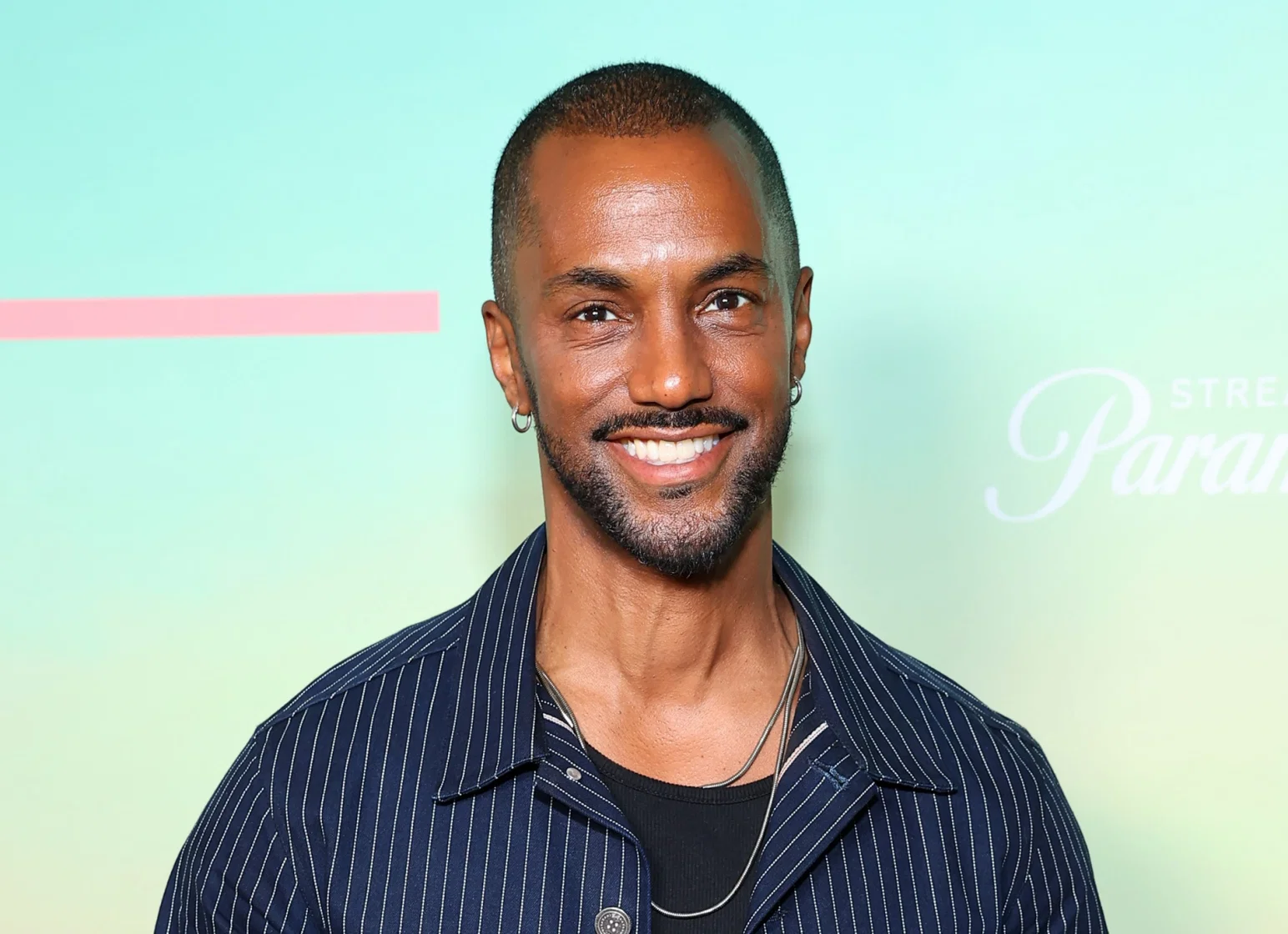
Darryl Stephens has spent years at the center of LGBTQ television history, so when he speaks about representation, people listen.
The Noah’s Arc star recently shared his thoughts on the success of Heated Rivalry, a newer series gaining attention for its romantic storytelling. While praising its popularity, Stephens also pointed out a harder truth about the industry.
According to him, a show like that might not have been possible if it centered two men of color.
That comment quickly became the focus of wider discussion.
A Career Shaped by Representation
Stephens knows firsthand what it means to be part of something groundbreaking.
With Noah’s Arc, he helped bring one of the first major scripted series centered on Black gay men to television. The show followed four friends navigating relationships, careers, and identity in Los Angeles, at a time when that kind of representation was almost nonexistent.
That experience continues to shape how he views newer projects.
Why Heated Rivalry Feels Different
Heated Rivalry has found an audience thanks to its emotional storytelling and strong romantic focus.
But Stephens’ observation highlights something deeper about how the industry still operates. While LGBTQ stories are more visible now than they were two decades ago, not all stories are treated equally.
Projects featuring white leads often receive broader support and visibility, while stories centered on Black or other men of color still face additional hurdles.
That imbalance is what his comment was pointing toward.
The Ongoing Conversation About Race in LGBTQ Media
The issue is not new, but it remains unresolved.
Even with progress in LGBTQ representation overall, stories featuring Black queer relationships are still relatively rare in mainstream media. Industry creators have noted that depictions of Black gay love are often overlooked compared to other narratives.
Stephens’ remarks tap into that ongoing gap.
It is not about dismissing the success of shows like Heated Rivalry, but about asking why similar opportunities are not as widely available across different communities.
Progress, But Not Equality
There is no question that LGBTQ storytelling has expanded.
More shows, more platforms, and more visibility have created space for voices that once struggled to be heard. At the same time, representation is not evenly distributed.
Stephens’ perspective reflects that tension. Progress exists, but it does not reach everyone in the same way.
Why His Perspective Still Matters
When someone who helped shape early LGBTQ television speaks about current trends, it carries weight.
Stephens is not just commenting from the outside. He has lived through the industry’s shifts, from a time when shows like Noah’s Arc were considered risky to a moment where queer stories are more common but still uneven in representation.
That history gives his words context.
A Conversation That Isn’t Going Away
The discussion sparked by Darryl Stephens Heated Rivalry comments is likely to continue.
As audiences demand more inclusive storytelling, questions about who gets to be at the center of those stories will keep coming up. The industry has changed, but it is still evolving.
And voices like Stephens’ ensure that conversation keeps moving forward.