
A Forgotten Chapter of Disneyland History
The Disneyland we know today is built on family-friendly branding, inclusivity, and theme-park magic. But like any long-running institution, the resort has gone through many transformations over the decades. Some changes were small and expected. Others feel almost unbelievable in hindsight.
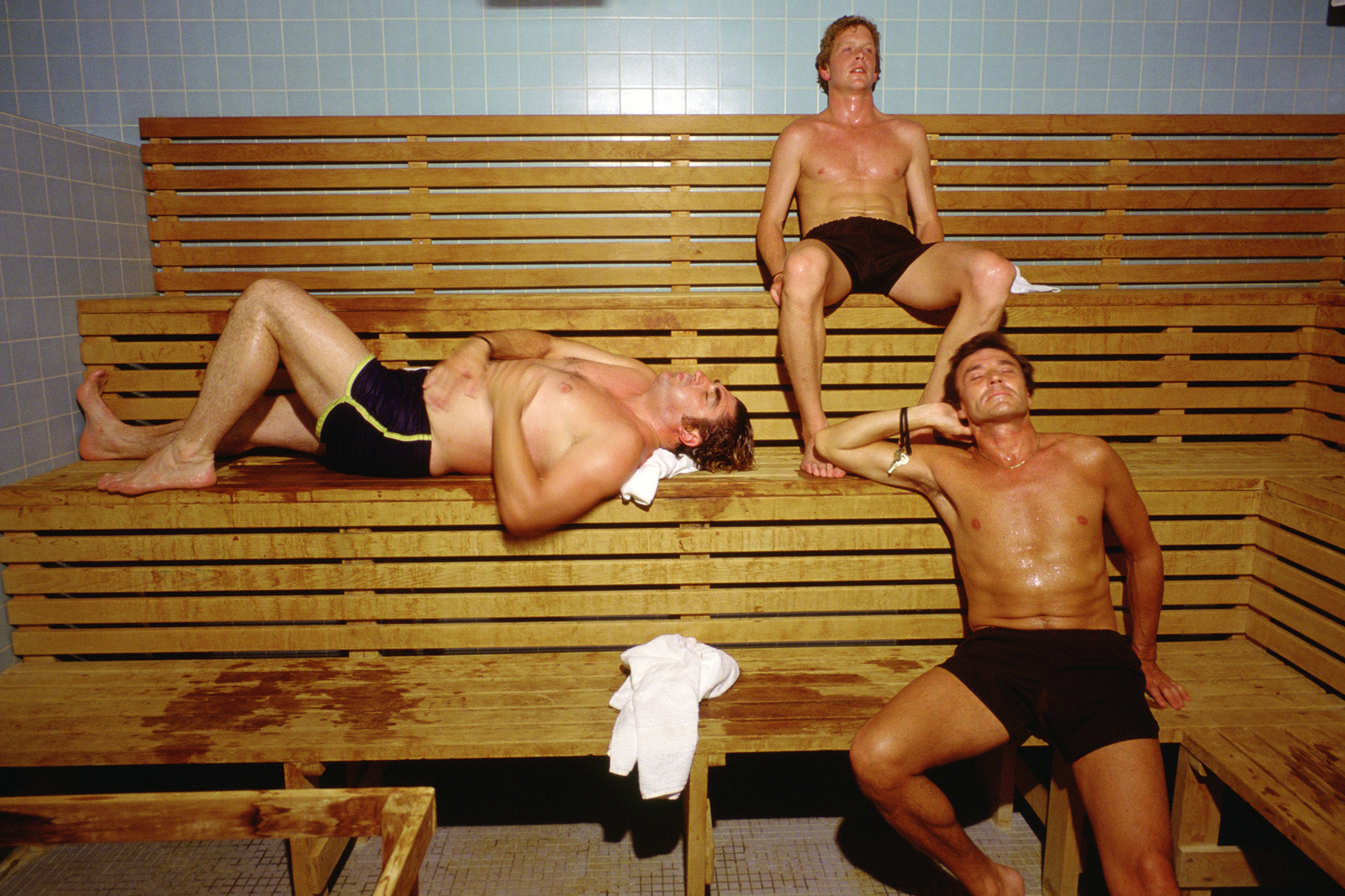
One of the strangest and most fascinating chapters in Disneyland history is the existence of a men-only private spa and club inside the Disneyland Hotel during the 1970s. Known as the Oak Room, this exclusive retreat catered to elite male guests and functioned more like a private gentlemen’s club than anything associated with modern Disney.
Today, the Oak Room is largely forgotten. But its story reveals a surprising glimpse into how Disneyland once balanced luxury, exclusivity, and adult-focused spaces before becoming the fully family-centered brand we recognize today.
What Was the Oak Room at Disneyland?
Located inside the Disneyland Hotel, the Oak Room was a members-only wing that operated as a private club for men. Membership details including cost and application requirements have been lost to time, adding to its mystique.
What is known is that access during the day was restricted strictly to men. Members could use a private dining room, spa, gym, and lounge areas designed for relaxation and networking. At night, women were allowed only as guests during live music events and after-dinner dancing.
This separation reflects the traditional structure of elite gentlemen’s clubs common in the mid-20th century. These spaces were designed to give wealthy and influential men a place to unwind away from work and family obligations.
A Club for Presidents, Celebrities, and Power Players
Despite its secrecy, the Oak Room reportedly hosted an impressive list of high-profile guests. According to Disneyland Hotel historian Don Ballard, the club welcomed foreign royalty, sitting U.S. presidents, and entertainment legends.
Names associated with the Oak Room include Richard Nixon, John F. Kennedy, Hoagy Carmichael, and Louis Armstrong. One story even suggests Armstrong performed an impromptu show there alongside Benny Goodman.
These appearances highlight the Oak Room’s status as an elite retreat rather than a typical hotel amenity. It functioned as a private networking and leisure space for powerful visitors staying at the Disneyland Hotel.
The Rise of Gentlemen’s Clubs in the 20th Century
To understand the Oak Room, it helps to look at the broader context of gentlemen’s clubs in the United States and United Kingdom. These institutions offered upper-class men a place to socialize, dine, and relax outside the home.
Clubs often included:
- private dining rooms
- lounges for conversation
- spa and fitness areas
- card rooms and offices
- private bedrooms
Their purpose extended beyond leisure. They created environments where elite men could network, discuss business, and maintain social circles without family or public obligations.
By the mid-20th century, these clubs were common in major cities. But social change in the 1960s and 1970s began challenging their exclusivity.
The Social Climate of the 1970s
The Oak Room existed during a time of major cultural shifts. Civil rights movements, women’s liberation, and LGBTQ activism were reshaping expectations around inclusion and equality.
Private clubs that excluded women or minorities increasingly faced criticism. Many began opening membership to broader audiences or shutting down entirely.
Disneyland’s Oak Room appears to have been created during the final period when such exclusive spaces were still socially acceptable. It represented a holdover from an earlier era one that emphasized privacy, status, and male-only leisure.
Inside the Experience: Spa, Dining, and Escape
Promotional materials for the Oak Room emphasized relaxation and escape. Guests were encouraged to visit after long travel days to unwind in the sauna, whirlpool, or massage rooms.
The club provided:
- a private spa and gym
- exclusive dining areas
- quiet lounges
- live music events
- networking spaces
The concept was simple: while families enjoyed Disneyland, men could retreat to a quiet, upscale environment tailored specifically to them.
How the Oak Room Fit Into Disney’s Early Private Clubs
Disneyland experimented with several private or members-only spaces over the years. The most famous surviving example is Club 33, an exclusive dining club that still operates today.
Other private areas included Walt’s Hideout and various VIP lounges. However, the Oak Room stood apart because of its strict gender exclusivity and spa-like focus. It resembled traditional gentlemen’s clubs more than a typical Disney experience.
This makes it one of the most unusual experiments in Disneyland history.
Why the Oak Room Closed
By the late 1970s and early 1980s, social attitudes had shifted significantly. Gender-exclusive clubs were increasingly viewed as outdated and exclusionary.
As Disney expanded its family-friendly identity and prioritized inclusivity, the Oak Room no longer fit the brand’s direction. The space eventually closed and was replaced by new hotel and park features that welcomed all guests.
Later attempts to introduce more adult-focused nightlife such as Disney World’s Pleasure Island also proved temporary. Disney ultimately leaned into its identity as a destination for families and broad audiences rather than elite private clubs.
A Curious Footnote in Disneyland History
Today, the Oak Room is remembered mostly through photos, advertisements, and scattered historical accounts. Its existence feels almost surreal compared to modern Disney branding.
Yet it serves as a reminder that Disneyland has always evolved. Before becoming fully defined by family-friendly experiences, the resort experimented with exclusivity, nightlife, and adult-oriented spaces.
The Oak Room represents a brief moment when Disneyland balanced fantasy with real-world luxury culture a moment that quickly faded as social expectations changed.
Final Thoughts
The story of Disneyland’s Oak Room reveals how much both society and Disney itself have transformed. What once seemed like a normal luxury amenity now feels out of place within the brand’s inclusive image.
Though short-lived, the men-only spa and club remains one of the most intriguing hidden chapters in Disneyland history. It reflects an era when private clubs, exclusivity, and elite networking were common even inside the happiest place on Earth.
Today, the Oak Room stands as a fascinating reminder of how theme parks evolve alongside the culture around them.