
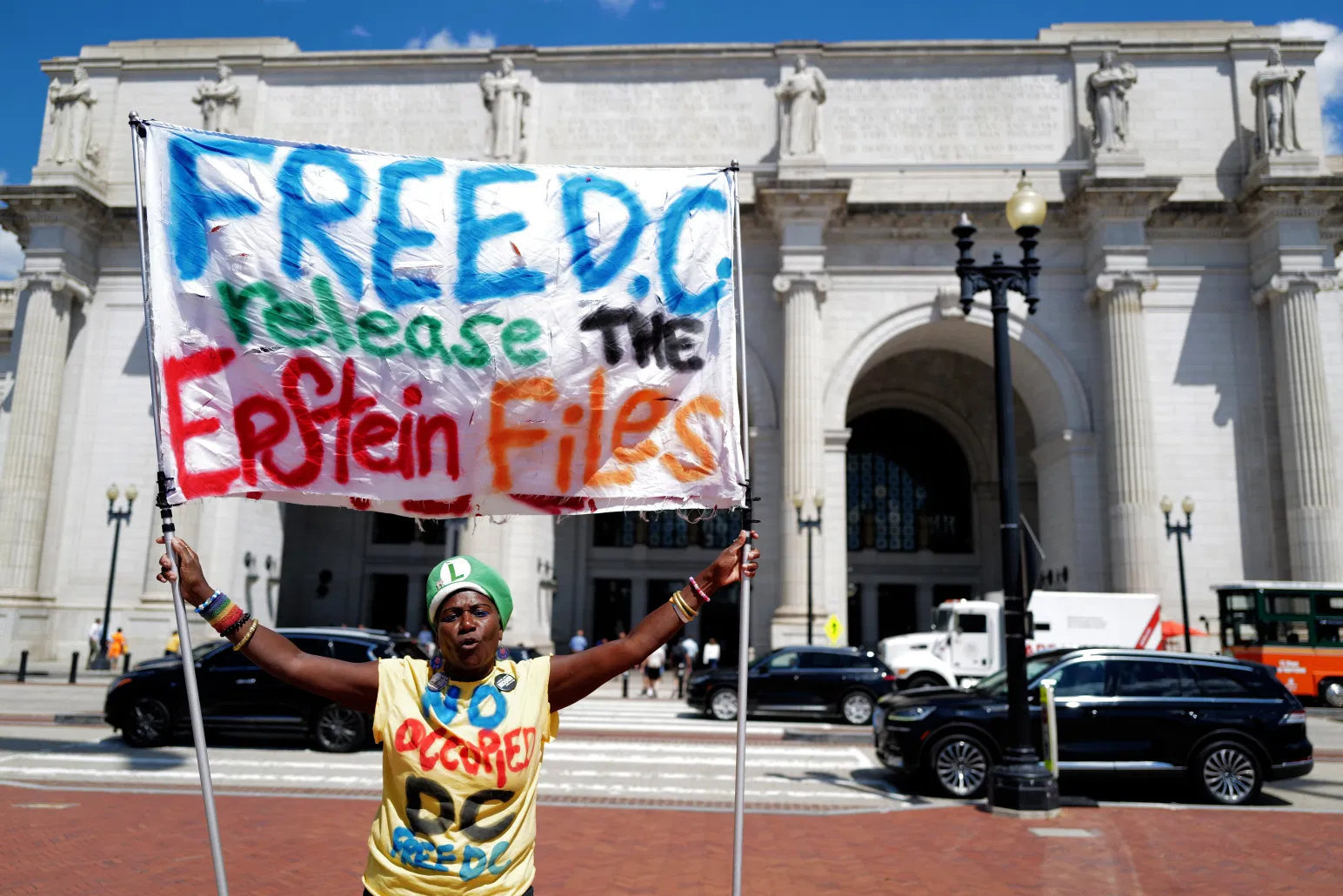
A new wave of Epstein revelations
The latest batch of Epstein-related documents has triggered another wave of public scrutiny, with renewed attention on how survivors were treated and how powerful figures connected to the disgraced financier have navigated accountability.
Among the most widely discussed aspects of the recent file releases are the redactions within certain documents. While officials have said these edits are meant to protect victims’ identities, critics argue that some redactions appear inconsistent and raise questions about whose privacy is being prioritized.
The debate has intensified online, where commentators and advocates are revisiting earlier cases tied to Epstein’s network and examining how those stories were handled at the time.
@harryjsisson WHY??? 02/03
♬ original sound – Harry Sisson
Renewed focus on Ava Cordero
One name drawing renewed attention is Ava Cordero, a transgender woman who publicly accused Epstein of abuse years before many of his crimes became widely known.
Cordero alleged in a lawsuit that she was a minor when she encountered Epstein and was subjected to abuse after being promised opportunities in modeling. Her case became one of the earliest public accusations against him.
At the time, coverage of her allegations was often overshadowed by sensationalism and invasive reporting about her identity. Media outlets focused heavily on her being transgender rather than on the accusations themselves, a pattern advocates say reflected broader cultural attitudes toward trans people during that period.
Today, with new documents surfacing, many are re-examining how early allegations were received and how seriously they were taken.
@alice.in.winterland One of the first survivors of #epstein to have come forward was a latina #transwoman named #avacordero in 2007. However, the media treated her just in horrible ways: by victim-blaming, misgendering, and mocking her. All while painting Jeffrey as the “real victim” here. And yet, if they had believed her, we would’ve maybe seen fewer victims and convicted him earlier. We need to #believewomen ♬ original sound – Alice Winterland
Questions about redactions and accountability
The latest document release has also reignited debate about transparency. Some observers say the way information has been withheld or revealed raises concerns about whether survivors are being fully protected while powerful individuals remain shielded.
Legal experts note that redactions in sensitive cases can serve multiple purposes, including protecting ongoing investigations or safeguarding victims’ identities. However, critics argue that inconsistent application can undermine public trust.
Advocates for survivors say the renewed attention should focus less on sensational details and more on ensuring accountability and support for those who came forward.
How the story reflects broader issues
The resurfacing of Cordero’s case has become part of a wider conversation about how victims particularly those from marginalized communities are treated when they accuse powerful figures.
Over the past two decades, public awareness and understanding of transgender people have evolved significantly. Still, advocates say that disparities remain in how different survivors are believed and supported.
For many, the renewed discussion highlights the importance of revisiting earlier cases with a more informed perspective and ensuring that future reporting centers on accountability rather than stigma.
What comes next
As journalists and investigators continue reviewing the newly released material, more details are expected to emerge. The documents are likely to be analyzed for weeks or months, and additional context may shape how the public understands the broader network surrounding Epstein.
For survivors and advocates, the current moment is less about new revelations and more about recognition. Many hope that revisiting these cases will lead to a more consistent approach to transparency, media coverage, and survivor support moving forward.
The renewed focus on past allegations serves as a reminder that the impact of the Epstein scandal continues to unfold and that the stories of those who spoke up early remain central to understanding the full scope of what happened.